


Butterfly: Grieg’s Short-Form Musical Ideas, Love, & Social Media
Before we explore Grieg’s composition entitled “Butterfly” from his Lyric Pieces, I invite you to enjoy this 1991 digitally remastered recording of the work performed by the composer in 1906. This marvelous musical poem is another example of Grieg’s greatest motivation, his love for his wife, Nina Hagerup.
Edvard Grieg: The Romantic Soul Behind Norway’s Musical Voice – inspired by the love for his wife, Nina Hagerup
Edvard Grieg, often called the “Voice of Norway,” is celebrated as one of the most influential composers of the Romantic era. His music, steeped in his homeland’s lush landscapes and folklore, continues to captivate audiences worldwide. One enduring theory stands out among the myriad stories surrounding Grieg’s life and music: his deep love for his wife, Nina Hagerup, inspired many of his most beautiful melodies.
A Marriage of Music and Love
Grieg met Nina, a talented soprano and his first cousin, in 1864. Their shared passion for music created an instant bond, leading to their marriage in 1867. Nina not only became Grieg’s wife but also his muse and collaborator. Her voice brought life to many of his songs, and by all accounts, her presence brought him solace and inspiration during personal and professional struggles. Their relationship wasn’t without challenges, as they faced financial difficulties, health issues, and the loss of their only child. Yet, their love endured, and this profound connection is believed to have profoundly influenced Grieg’s compositions.

The Melodic Tribute
Grieg’s music is often characterized by its heartfelt lyricism, and scholars and music enthusiasts have long speculated that this emotional depth reflects his devotion to Nina. His Lyric Pieces, a collection of short piano works composed over several decades, is frequently cited as a possible testament to their relationship. These pieces, with titles like To Spring and Notturno, exude tenderness and intimacy, qualities that align with the idea of a composer writing for someone he deeply cherishes.
One of the most compelling examples is Jeg elsker dig (I Love You), a song Grieg wrote early in his career. Set to a poem by Hans Christian Andersen, the lyrics express a profound and eternal love. Nina performed this piece numerous times, adding weight to the theory that it was written with her in mind.
Nina: The Silent Heroine of Grieg’s Legacy
Playing a pivotal role in Grieg’s success, Ninaboth as a performer of his works and as his emotional anchor. Her interpretations of his songs were widely praised, and her voice carried his melodies to audiences across Europe. In letters, Grieg often expressed gratitude for Nina’s unwavering support and acknowledged her as a source of strength during moments of doubt.
However, their marriage also saw periods of strain, mainly due to Grieg’s extensive travel schedule and his struggles with depression. Despite these difficulties, their bond remained strong, and Nina’s enduring presence in his life continued to shape his creative output.
A Lasting Impression
Grieg’s music resonates with an intimacy that feels personal, almost as if the listener is invited into the composer’s heart. Whether or not Nina directly inspired specific pieces, it is undeniable that she profoundly influenced his life and art. Their relationship, marked by love, loss, and resilience, mirrors the emotional complexity of Grieg’s compositions.
In the end, Grieg’s melodies, much like his marriage, celebrate beauty, vulnerability, and enduring connection. Through them, his love for Nina transcends time, reminding him how personal relationships can shape artistic legacies. It’s no wonder that even today, listeners often sense the presence of something deeply human—and profoundly loving—in Grieg’s music.
Now, to “Butterfly.”
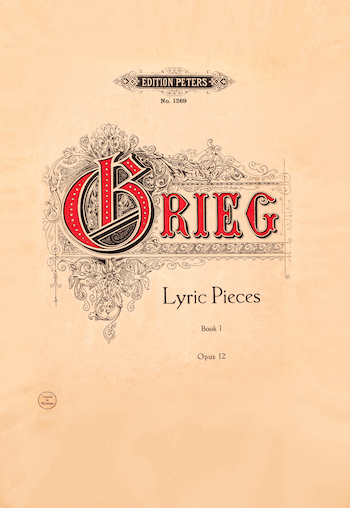
“Butterfly” from Grieg’s Lyric Pieces
Edvard Grieg is often celebrated for his ability to encapsulate profound emotions within brief musical forms. His work, particularly in pieces like “Butterfly,” exemplifies how short musical ideas can convey complex feelings. Grieg’s approach to musical brevity resonates deeply in an era dominated by rapid content consumption, such as social media platforms like Instagram.
In “Butterfly,” Grieg distills the essence of nature and fleeting moments into a compact musical statement. This piece is a brilliant example of how short-form musical ideas can capture a listener’s imagination. It mirrors what social media provides – quick bursts of inspiration that engage and evoke emotions instantaneously.
Delicate Wings Fluttering
Short musical forms have several characteristics that may be analyzed to appreciate Grieg’s artistry:
- Simplicity in Melody: The central theme in “Butterfly” is straightforward yet memorable. Grieg’s choice of simple melodic lines allows the listener to connect quickly.
- Imagery and Emotion: Grieg’s music often conjures vivid imagery. In “Butterfly,” you can almost see the delicate wings fluttering through the air as you listen.
- Contrast: The composer employs a mix of dynamics and tempos, creating contrasting sections that keep listeners engaged throughout this short piece.
- Expression Through Melody: Even in a short time frame, Grieg’s melodies express a full range of emotions, encapsulating joy, nostalgia, and wistfulness.
In the Instagram era, where users often scroll quickly through feeds, the appeal of brevity is paramount. Much like a captivating photo or a succinct caption, Grieg’s “Butterfly” captures a moment that lingers in the listener’s mind. Here are a few ways “Butterfly” aligns with the appeal of short-form content:
- Instant Connection: Just as a striking image can capture attention within seconds, Grieg’s enchanting melody draws in listeners immediately.
- Emotional Resonation: Short-form content is designed to evoke emotions quickly. Similarly, the poignant themes in “Butterfly” resonate deeply, often reminding listeners of personal experiences with love or nature.
- Repeatability: A short, memorable piece invites repeated listening. Grieg’s composition easily fits into our modern-day tendency to replay favorite media, reinforcing its place in the heart.
Creates Mental Imagery
To understand the impact of Grieg’s short-form compositions like “Butterfly,” it’s helpful to explore the following aspects:
| Aspect | Details |
|---|---|
| Melodic Structure | Simple and memorable, often building on a central motif. |
| Emotional Depth | Conveys powerful emotions despite its brevity, fostering listener connection. |
| Vivid Imagery | Creates mental imagery, much like visual art on social media. |
| Dynamic Contrast | Utilizes variations in tempo and dynamics to engage the listener. |
The world we live in demands skills in communication and expression. Grieg’s mastery of short musical forms offers a blueprint for delivering impactful messages in a few carefully chosen notes. The “Butterfly” reminds us that—even in a world of oversharing and quick scrolling—there’s beauty in the brevity of artistic expression.
As you engage with Grieg’s “Butterfly,” consider how this beautiful piece might inspire your creative endeavors. In a time when you may feel bombarded by information, take a moment to reflect on the power of simplicity. You can appreciate an entire world within a single musical idea in just a few minutes. Finding beauty in short lengths, whether in music, photography, or storytelling, can lead to a richer art experience in the digital age and beyond.
The Impact of Social Media on Modern Compositions
In today’s fast-paced digital landscape, social media plays a significant role in shaping modern compositions. This includes everything from musical pieces to literary works. Platforms like Instagram, Twitter, and Facebook have created unique avenues for artists to share their creations, garner feedback, and build communities. As a result, social media transforms how art is shared and influences the creative process.
Instant Feedback and Collaboration
One of the most profound impacts of social media on today’s compositions is the ability to receive instant feedback. Artists can post snippets of their work and immediately gauge audience reactions. This creates a dynamic where artists can modify their compositions based on audience preferences. Here’s how that benefits creators:
- Real-time Engagement: Artists can adapt their work almost instantly based on audience suggestions or critiques.
- Collaborative Opportunities: Many musicians and writers connect through social media, leading to new collaborations that blend different styles and ideas.
- Audience Inclusion: By involving fans in the creative process, artists can foster a sense of community and shared ownership over the work.
Your Portfolio and Branding
Social media serves as a portfolio platform for many creators. Instead of traditionally showcasing talent, individuals can now easily share their work online. This brings several advantages:
- Global Reach: Artists can connect with a diverse audience from all around the world.
- Personal Branding: Users can curate their online presence, allowing them to project a specific image or style.
- Accessibility: Emerging artists can showcase their talents without being represented by large studios or publishers.
The Rise of Short-Form Content
Short-form content is booming in popularity on platforms like Instagram and TikTok. Modern composers and writers adapt by creating concise pieces suitable for quick consumption. Consider the following impacts:
- Attention Span: As user attention spans shorten, artists are compelled to communicate their ideas more succinctly.
- Virality: Shorter, more relatable pieces will likely go viral, helping creators gain recognition.
- Content Adaptation: Musicians may focus on creating catchy hooks or impactful verses that fit the bite-sized format.
Challenging Traditional Norms
Social media also pushes artists to challenge traditional artistic norms. For instance, the linear storytelling of novels or classical music structures may evolve due to new influences. Understanding what this means can be summarized in key points:
- Breaking Boundaries: Artists explore combining different genres, resulting in unique cross-genre compositions.
- Dynamic Narratives: Storytelling takes on new forms with non-linear narratives popularized by social media platforms.
- Multimedia Creations: The fusion of visuals with audio and written content is more prominent than ever, allowing for multi-sensory experiences.
Mechanical Production and Distribution
With the rise of technology and social media, the production and distribution of compositions have significantly transformed. Here’s a look at how:
- Home Studios: More artists create music from their bedrooms, utilizing affordable software for high-quality productions.
- Streaming Platforms: Musicians no longer rely solely on record labels. Services like Spotify and SoundCloud allow anyone to publish their work.
- Direct-to-Fan Marketing: Creators leverage social media for promotions, enabling direct connections with their fans and bypassing traditional marketing methods.
The Impact on Community and Networking
Social media fosters a sense of community among creators and fans alike. Online interactions can lead to long-lasting relationships built on shared interests. The benefits include:
- Support Networks: Artists find encouragement and mentorship within like-minded communities.
- Event Promotion: Social media makes promoting live performances or readings easier, increasing attendance.
- Cultural Exchange: Creators can share ideas across borders, enriching their work with diverse cultural influences.
The impact of social media on modern compositions is undeniable. As artists adapt to this landscape, they will likely discover new and innovative ways to express their creativity and connect with their audiences. This evolution invites you to engage with art in ways never seen before, bridging gaps between artist and audience, traditional and modern.
The Evolution of Classical Music in the Digital Age
The classical music landscape has undergone a profound transformation in the digital age. Technology has reshaped how we create, distribute, and experience music. Composers and performers now have access to unimaginable tools just a few decades ago, fostering innovation and opening new avenues for expression.
One of the most noticeable changes is how classical music is recorded and distributed. With digital recording technology, artists can create high-quality recordings in their homes. Gone are the days of needing expensive studio time. Artists can now utilize the software for diverse sound manipulation and layering, resulting in unique interpretations of classical pieces.
Accessibility
Streaming services have revolutionized access to classical music. Platforms such as Spotify, Apple Music, and YouTube have made it possible to explore vast catalogs of classical works with just a few clicks. You can now discover recordings from historical performances or listen to contemporary interpretations. This accessibility benefits both classical music enthusiasts and newcomers alike. You can create playlists featuring favorite composers, from Bach to Brahms, or explore curated playlists tailored to specific moods or themes.
Another significant evolution involves the way classical musicians promote their work. In the past, radio and traditional media predominantly shaped musical exposure. Social media platforms like Instagram, Facebook, and TikTok have emerged as vital tools for outreach. Musicians can share performances, engage with fans, and promote upcoming events directly. This immediacy fosters a closer relationship between artists and their audiences. Here are a few ways classical musicians are using social media to their advantage:
- Live Performances: Many artists host live-stream concerts, allowing anyone to attend from anywhere.
- Behind-the-Scenes Content: Sharing rehearsals, practice routines, and personal insights make artists more relatable.
- Short Clips: Platforms like TikTok encourage musicians to create engaging short routines showcasing their skills or creativity.
Collaboration is another area that showcases the evolution of classical music. Artists now frequently collaborate with musicians from various genres, blending classical elements with pop, rock, or electronic music. This cross-pollination enriches the classical genre and attracts new audiences. YouTube creators even remix classical pieces, introducing classical music to fans who might have never considered exploring it otherwise.
Democratization of Knowledge
Moreover, education has significantly transformed in the digital age. Online music courses, tutorials, and masterclasses are now widely available. Websites like Coursera and MasterClass allow anyone, regardless of geographic location, to learn from esteemed instructors at their convenience. This democratization of knowledge creates a deeper appreciation for classical music, as aspiring musicians are exposed to a broader range of techniques and styles.
The integration of technology also extends to live performances. Concert halls now incorporate innovative technologies to enhance the audience experience. For example, some venues offer visuals that sync with the music, creating a multi-sensory experience. Others use augmented reality to provide real-time insights about the performance or the pieces being played.
| Change in Classical Music | Impact |
|---|---|
| Digital Recording | More accessible, high-quality recordings |
| Streaming Services | Wider access to diverse works |
| Social Media Promotion | Increased artist-audience engagement |
| Collaborative Projects | Expanded audience and genre-blending |
| Online Education | Access to world-class instruction |
| Enhanced Live Experiences | Immersive auditory and visual elements |
As classical music navigates the digital seas, it embraces opportunities for growth and reinvention. The genre adapts, ensuring that it remains relevant and resonates with audiences of all ages. This evolution showcases the resilience and creativity of classical music, allowing it to thrive in an era dominated by fast-paced media consumption.
Classical music continues to captivate the heart and soul in this ever-changing landscape. The adaptability of artists and the innovations of technology suggest that the future holds even more exciting prospects for this beloved art form. In essence, digital advancements have breathed new life into classical music, promising an enriching journey for performers and listeners alike.
How Short-Form Music Inspires New Generations of Musicians
The rise of short-form music is reshaping how we engage with sound, especially in an era dominated by platforms like TikTok and Instagram. In these spaces, artists are rethinking the structure and delivery of their musical ideas to captivate audiences quickly. Short snippets of music serve not just as promotional tools but as the foundation for creativity that resonates with new generations of musicians. This transformation fosters a unique environment where innovation thrives, challenging established norms of songwriting and performance.
Catchy hooks emerge as a primary focus. Musicians are increasingly honing in on the idea that a memorable melody or phrase can create immediate emotional connections. With the vast amount of content available, grabbing a listener’s attention within seconds is crucial. Many artists now craft songs with viral potential, often beginning with a powerful and engaging lead. This approach allows their work to stand out on crowded social media platforms.

Enhancing Creativity Through Limitations
The limitations imposed by short-form music catalyze creativity. Here are some ways that brevity pushes innovation:
- Focused Themes: Short tracks often require artists to distill complex ideas into simple, evocative themes. This clarity can lead to stronger emotional responses from listeners.
- Experimentation: With less time to fill, musicians feel encouraged to try new styles or genres, often blending influences in unexpected ways. This experimentation can lead to unique sounds that capture the essence of their generation.
- Collaborative Opportunities: Short-form music facilitates rapid collaborations, as artists can easily contribute brief segments to each other’s pieces. This fosters a vibrant community of creators who support one another.
As we immerse ourselves in how music changes, it’s important to note the technological advances that aid this transformation. The accessibility of recording software and streaming services means musicians no longer need expensive studio time to produce their work. Instead, they can create and share instantly available songs, directly reaching their target audience on social media.
The Impact of Viral Trends
Social media’s role in determining which songs become popular can’t be understated. Often, a catchy refrain or a charming musical phrase gets featured in a viral video, giving the track a second life far beyond traditional radio play. Here are some impacts of this trend:
- Exposure: Artists can gain massive exposure overnight. Content creators can further propagate songs that resonate with a specific audience, leading to broader recognition.
- Spontaneous Engagement: Short-form music encourages immediate feedback from listeners. Comments, shares, and likes add a layer of interaction that was not readily available.
- Democratizing Music Production: New artists from varying backgrounds can emerge simply because their music connects with listeners meaningfully, regardless of industry endorsement.
A New Path for Discovery
Listeners can discover new music every day, often through the lens of short content. Playlists are now filled with bite-sized tracks tailored for quick engagement, allowing multiple new songs to be sampled within minutes. This quick consumption encourages continuous exploration of diverse genres and styles.
The cyclical nature of this short-form trend benefits both new and established musicians. Up-and-coming artists find their voices amplified, while veterans embrace fresh formats to connect with younger audiences. Ultimately, the very format of short-form music becomes a shared space for cross-generational collaboration.
Examples of Success Stories
| Artist | Platform | Hit Track | Impact |
|---|---|---|---|
| Olivia Rodrigo | TikTok | “drivers license” | Gained millions of followers and charted globally through viral user edits. |
| Lil Nas X | TikTok | “Old Town Road” | It became a cultural phenomenon, merging hip-hop with country music. |
| Doja Cat | “Say So” | Reimagined due to dance challenges, leading to mainstream success. |
As you can see, the impact of short-form music is undeniable. It shapes not only how content is created but also how it is consumed. For aspiring musicians, these new dynamics represent an unparalleled opportunity to engage with their audience. With creativity flourishing in this condensed format, the music industry is bound to continue evolving, encouraging everyone to explore their musical journey.
The Relationship Between Visual Art and Musical Expression in the Instagram Era
The influence of social media, particularly platforms like Instagram, has reshaped how visual art and musical expression intersect. Many artists today use these platforms to share their work and collaborate and inspire one another. This relationship can be seen in various forms, bringing together the worlds of sound and imagery in vibrant ways.
In the Instagram era, artists are not confined to studios or concert halls. They can reach and engage wider audiences through captivating visuals and sounds. Here’s how this dynamic plays out:
1. Immediate Access to Audiences
With a simple post, artists can showcase their creations to a global audience. This immediate access allows for:
- Real-time feedback: Artists can quickly gauge audience reactions, which can inform their future work.
- Collaborative opportunities: Musicians and visual artists can connect, leading to collaborative projects that enhance both mediums.
2. Aesthetic Cohesion
In a visually-driven platform, the aesthetic of music and art often blends seamlessly. Artists curate their profiles to reflect a cohesive visual and auditory experience. This might include:
- Album artwork: Musicians often design or collaborate with visual artists to create striking images representing their music.
- Music videos: Short-form videos become artistic expressions that meld both mediums, captivating users’ attention on their scrolling journey.
3. New Creative Formats
The limitation of time and space in social media encourages artists to think creatively. New formats include:
- Reels and Stories: These allow artists to share snippets of their work, making it easier to engage followers without needing a long commitment.
- IGTV: Musicians can upload performances or artistic processes, giving followers a deeper understanding of their craft.
4. The Role of Hashtags
Hashtags present a powerful tool for artists to increase visibility and connect with like-minded individuals. Using specific hashtags allows creators to:
- Explore trends: Artists can keep up with prevalent challenges or themes in both art and music.
- Build communities: Tagging work with relevant phrases lets creators find audiences interested in similar content.
5. Monetization and Opportunities
Instagram provides varied opportunities for financial gain through:
- Sponsored content: Brands often partner with artists to promote their products in a way that blends into the artistic narrative.
- Merchandising: Artists can sell their works directly through the platform, reaching fans without intermediaries.
6. Inspiration Exchange
The cross-pollination of ideas between visual artists and musicians has led to refreshing inspiration, resulting in:
- New genres: Some musicians are inspired by the aesthetics presented in specific artworks, creating music that reflects those visual styles.
- Influerved performances: Artists often adapt themes from visual pieces into their performances, creating a multidimensional experience for viewers.
7. Case Studies of Successful Collaborations
| Collaboration | Artists Involved | Description |
|---|---|---|
| Pablo Picasso and George Braque | Musical influences of the early 20th century | Inspired by the evolution of kinetic energy in Cubist art. |
| Björk and Matthew Barney | Björk, Matthew Barney | Utilized visual art to enhance music videos and performances. |
This interconnection between music and visual art continues to evolve as more artists embrace digital platforms. Instagram, in particular, serves as both a stage and a canvas, encouraging fresh ideas and collaborations. By leveraging the strengths of both mediums, artists have the potential to create a new language of expression that resonates with audiences in exciting and innovative ways.
As you explore Instagram, consider how the artists you follow might draw inspiration from each other. Their works reflect a collaboration that transcends traditional boundaries, offering a look into a future where music and art coexist on a global stage, inspiring everyone along the way.
Final Words
Exploring Edvard Grieg’s “Butterfly” reveals how impactful short-form musical ideas can be within classical music. Grieg masterfully captures the essence of fleeting moments, reflecting the brevity and immediacy that mirror today’s digital landscape. Social media, particularly platforms like Instagram, have transformed how music is composed and consumed. Musicians now tailor their work to fit shorter formats that capture attention quickly, ensuring they resonate with contemporary audiences.
As classical music evolves in the digital age, we witness an exciting fusion of tradition and innovation. Composers adapt their styles to incorporate influences from modern digital culture, creating pieces that speak to both old and new generations. This evolution encourages a new wave of musicians, inspired by the potential of short-form music to convey emotions and stories succinctly. It’s a vibrant reminder that creativity knows no bounds, allowing for fresh interpretations and compositions.
Visually Driven Audience
Moreover, the intersection of visual art and musical expression in the Instagram era fosters a dynamic relationship that enhances artistic appreciation. Musicians use imagery to elevate their work’s context, making classical music more accessible to a visually-driven audience. This synergy broadens the reach of their compositions and deepens engagement, inspiring listeners to experience music in multifaceted ways.
The artistry and impact of short-form musical ideas, as exemplified by Grieg’s “Butterfly,” continues to thrive, paving the way for a new generation of artists and audiences. This glimpse into the future of music highlights its capacity to evolve while retaining its core connection to the human experience.