
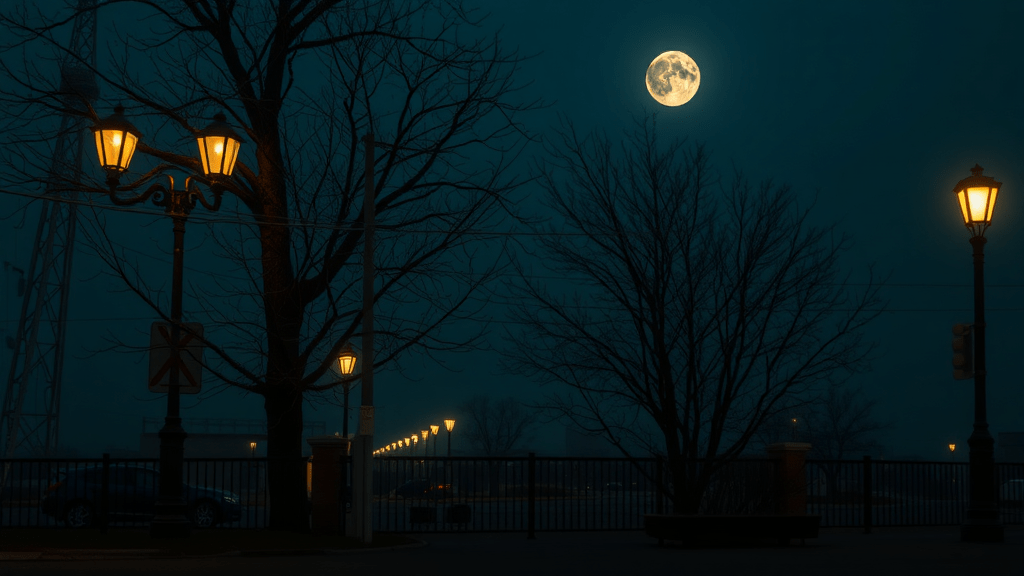

One can argue that songs like “The Wee Small Hours of the Morning” evolved from classical works in the charming”Notturno” style. Such music can be traced back to the Romantic era when composers began exploring themes that captured the magic of the night. Soft textures, mellow harmonies, and a gentle pulse reminiscent of a nighttime stroll often characterize it. Here are some prominent composers and their notable works that exemplify this theme:
- Frédéric Chopin: His Nocturnes are masterpieces of the late-night ambiance. Each piece, such as Nocturne in E-flat Major, Op. 9, No. 2, captures serene and melancholic feelings.
- Johannes Brahms is known for his “Intermezzi,” which often evoke nocturnal qualities. These pieces blend lyrical beauty with emotional depth.
Tender Lyricism
Listen to this marvelous performance by Arthur Rubenstein of Brahms Intermezzo, Op. 118, No. 2 in A major. His is a sublime display of emotional depth and technical mastery. Rubinstein’s delicate and expressive touch reveals the tender lyricism and introspective longing that define the piece. His phrasing breathes life into Brahms’ rich harmonies, seamlessly blending warmth and melancholy. The ebb and flow of his dynamics evoke a sense of storytelling, where each note feels intentional and deeply personal. Rubinstein captures the soul of the Intermezzo, transforming it into a profound meditation on love and loss, leaving listeners spellbound by its serene beauty.
- Claude Debussy: Pieces like “Clair de Lune” evoke the tranquil glow of moonlight, creating imagery perfect for quiet reflection.
Each Note Shimmers
This masterful performance of Debussy’s “Clair de Lune” by Rousseau transcends technique, embodying the luminous poetry of the composer’s intentions. The artist’s touch is ethereal, capturing the piece’s delicate ebb and flow, like moonlight reflecting on a tranquil sea. Subtle dynamics and seamless phrasing reveal the work’s dreamlike quality, blending mystery and serenity—each note shimmers, evoking introspection and otherworldly beauty. The performer’s sensitivity to nuance conveys Debussy’s impressionistic essence, where the melody dissolves into harmony like mist. This interpretation becomes an intimate journey, enveloping listeners in a timeless, luminous reverie—a true homage to Debussy’s vision of ephemeral elegance.
Within a “Notturno,” you can find a variety of moods, from soothing and dreamlike to thought-provoking and almost haunting. What is particularly enchanting about these compositions is their ability to transport the listener into a different time and space. Let’s explore how “Notturno” works its magic:
| Element | Description |
|---|---|
| Melody | Typically smooth and flowing, often with a lyrical quality that sings to the heart. |
| Harmony | Creates a warm, inviting atmosphere, often using rich chord progressions that evoke emotion. |
| Tempo | Generally slower, allowing listeners to savor each note and feel the depth of the experience. |
| Dynamics | Soft and subtle variations enhance the intimacy and emotional connection to the music. |
Calming Melodies
As you delve into a “Notturno,” consider how the music can match your mood or even alter it. When you listen to Chopin’s Nocturnes after a long day, the calming melodies can wash away your worries, allowing you to connect with your innermost thoughts. This experience exemplifies how late-night vibes in classical music become a personal journey, each piece reflecting a fragment of your soul.
To create the right atmosphere for indulging in this form of music, consider these suggestions:
- Dim the lights and create a serene environment that allows you to focus solely on the music.
- Find a comfortable seat or lie back on a soft surface that invites relaxation.
- Keep a journal nearby; jot down any thoughts or emotions stirred by the music as it unfolds.
- Play a mix of well-known “Notturno” pieces interspersed with new interpretations, allowing your mind to explore the familiar and the innovative.
Whispering Secrets
Ultimately, the essence of “Notturno” lies in its power to connect us to something greater, whispering secrets of the night through every note. Whether you are winding down after a hectic day or seeking inspiration, immersing yourself in these late-night vibes of classical music can be a sanctuary for your spirit. A dedicated listening session might inspire new insights, spark creativity, or provide an escape into a serene world.
In embracing the magic of “Notturno,” you open yourself to a rich tapestry of musical experiences, inviting the night to envelop you in its emotional embrace. Each composition is like a narrative waiting to unfold, allowing you to explore the profound depth and beauty that only late-night classical music can offer.
Iconic Compositions that Capture the Nocturnal Spirit
As the sun dips below the horizon and the world sinks into the embrace of evening, a unique spirit awakens in the realm of classical music. This nocturnal essence, filled with mystery and tranquility, is beautifully captured in various iconic compositions. These pieces resonate with late-night vibes, transporting listeners to serene nocturnes and enchanting moonlit landscapes. Below is a selection of these masterpieces that epitomize the beauty of night.
Famous Nocturnes
Nocturnes are exceptionally crafted to evoke the nighttime atmosphere. Key composers like Chopin and Debussy have left behind legacies filled with enchanting examples. Here’s a closer look at a few famous nocturnes:
- Frederic Chopin – Nocturne in E-flat Major, Op. 9 No. 2
This beloved piece is characterized by its lyrical melody, capturing the essence of romanticism and the stillness of night. - Claude Debussy – Nocturne: Nuages
Part of a three-movement set, this piece displays the shifting shadows of clouds under moonlight, creating a sense of drifting and calm. Listen for yourself:
- Erik Satie – Gymnopédies No. 1
While technically not a nocturne, this work possesses an ethereal quality that aligns perfectly with the tranquil mood of nighttime.
Symphonic Nightscapes
Beyond solitary pieces, symphonic works also capture the allure of the night. Several orchestral compositions explore nocturnal themes, letting the audience experience night through a blend of sounds and emotions.
- Beethoven – Symphony No. 6 (“Pastoral”)
The second movement of this symphony, “Scene by the Brook,” transports listeners to a serene evening and embodies a picturesque rural landscape.
- Gustav Mahler – Symphony No. 7 (“Song of the Night”)
This complex symphonic work includes night themes, often regarded as depicting both the evening’s beauty and darker mysteries.
- Richard Wagner – Prelude to “Tristan und Isolde”
Though dramatic, this prelude immerses us in the emotional depths of longing, echoing the quiet yet intense feelings elicited by the night.
Piano Works to Soothe the Soul
Piano compositions can perfectly encapsulate the soothing vibes of the night. Their intimate nature lets listeners feel like they are a part of a private evening gathering. A few dazzling piano works include:
- Frédéric Chopin – Prelude in E Minor, Op. 28 No. 4
This poignant piece encapsulates deep emotion, with its melancholy melody echoing the solitude of the late hours.
- Robert Schumann – Kinderszenen, Op. 15 (“Träumerei”)
This gentle and evocative piece reminds listeners of childhood dreams, capturing a serene and almost otherworldly realm under the moonlight.
- Rachmaninoff – Prelude in C-sharp Minor
Richly textured, this prelude embodies powerful emotions, making it a compelling choice for the reflective moments of the night.
Vocal and Choral Reflections
Vocal compositions also add to the nighttime ambiance, offering layers of depth and emotion through lyrics and harmonies. Some pieces worth noting include:
- Schubert – “Serenade”
Schubert’s Serenade (Ständchen) exudes profound pathos, weaving tenderness and yearning into every note. The song’s gentle, flowing melody conveys a sense of vulnerability, as though whispering an intimate plea to the night. Its harmonic shifts evoke a bittersweet melancholy, capturing the delicate balance between hope and heartache. Like a heartbeat, the soft accompaniment underscores the deep emotional resonance, amplifying its quiet desperation. Whether heard as a love song or a reflection on longing, the Serenade draws listeners into its timeless expression of human fragility, making its sorrow and beauty deeply moving and universally relatable. - Wolfgang Amadeus Mozart – “Vesperae Solennes de Confessore”
This choral masterpiece blends sacred themes with nocturnal splendor, showcasing the beauty of night in a divine light. - John Dowland – “Come, Heavy Sleep”
It is a poignant lute song that speaks to the embrace of sleep, encapsulating the quiet allure of nighttime rest.
Exploring these compositions reveals that the magical world of nocturnal classical music holds vast possibilities for evoking emotion and reflection. From heartfelt nocturnes to grand symphonic journeys, each piece uniquely invites listeners to experience late-night vibes. So why not immerse yourself in these iconic works? The night awaits with open arms.
The Emotional Impact of Nighttime Themes in Classical Music
Nighttime evokes a sense of tranquility and reflection, and many composers throughout history have captured these feelings. The emotional impact of nighttime themes in classical music can stir a range of sensations—reverie, longing, or even melancholy. Let’s explore how this genre transports listeners through the night.
One of the most renowned representations of night in classical music is found in the works of the Romantic era. Composers such as Frédéric Chopin, Claude Debussy, and Sergei Rachmaninoff expertly crafted nocturnes and nocturnal pieces that delve into the depths of human emotion, using night as an evocative backdrop to their musical narratives.
Delicate Beauty
Chopin’s nocturnes are prime examples of how nighttime themes can encapsulate deep feelings. The gentle melodies and rich harmonies invite listeners into a world filled with warm nostalgia and delicate beauty. Pieces like his Nocturne in E-flat Major, Op. 9, No. 2, create an enchanting atmosphere, perfect for late-night contemplation.
Debussy, known for his impressionistic style, also explored the intricate relationship between night and emotion. His composition, “Clair de Lune,” translates to “moonlight” and captures the mystical qualities of nighttime. Through innovative harmonies and fluid melodies, Debussy evokes serene imagery of a moonlit night, offering listeners a moment of peace while prompting them to explore their feelings in the calmness of the dark.
- Chopin’s Nocturnes: Rich harmonies and nostalgic melodies.
- Debussy’s “Clair de Lune”: Impressionistic soundscape that embodies serenity.
- Rachmaninoff’s “Vocalise”: Lyrical moments that convey longing.
Rachmaninoff’s “Vocalise” further exemplifies the emotional depth of nighttime themes. Although it lacks lyrics, the soaring vocal lines communicate a profound sense of yearning. The piece evokes imagery of longing gazes under a night sky, tapping into the shared human experience of desire and reflection. The way Rachmaninoff weaves his melodies creates a universal connection, resonating with listeners’ intimate thoughts and feelings.
Late-Night Introspection
Beyond the Romantic era, many contemporary composers have continued to explore nighttime themes in fresh and innovative ways. Take, for instance, the hauntingly beautiful score of Philip Glass’s “The Hours.” The music captures the essence of late-night introspection, combining minimalistic techniques with an emotional depth that resonates with the listener. Glass ensures that every note contributes to a nuanced narrative of memory and longing, reinforcing that night holds a unique power over our emotions.
Exploring the emotional impact of nighttime themes reveals that this genre can evoke memories and feelings. The sounds of twilight, swirling in harmonies, take listeners on journeys through their emotional landscapes.
| Composer | Piece | Emotional Theme |
|---|---|---|
| Frédéric Chopin | Nocturne in E-flat Major, Op. 9, No. 2 | Nostalgia, Beauty |
| Claude Debussy | Clair de Lune | Serenity, Mysticism |
| Sergei Rachmaninoff | Vocalise | Longing, Yearning |
| Philip Glass | The Hours | Introspection, Memory |
Final Words
As the curtain falls on our exploration of “Notturno” and its enchanting late-night vibes, we are left with a deeper appreciation for how classical music transcends the boundaries of time and space. The essence of nocturnal themes resonates in iconic compositions that provide a soundtrack to the stillness of the night. These pieces allow listeners to experience the emotional impact of nighttime, evoking feelings of introspection, tranquility, and sometimes even melancholy.
Throughout our journey, we have encountered the works of renowned composers like Chopin, Beethoven, and Debussy, each adding their unique voice to the nocturne genre. Their innovative approaches to melody and harmony illustrate how the night has inspired creativity across centuries. This rich tapestry of nighttime-inspired music entertains and connects us with the profound beauty of our inner thoughts during those quiet hours.
Seeking Solace
For anyone looking to indulge in these late-night vibes, curating a playlist of must-have “Notturno” pieces can transform your evenings. Whether seeking solace after a long day or a backdrop for reflection, the right selections can envelop you in a soothing atmosphere.
Ultimately, embracing the “Notturno” invites us to appreciate the subtle magic of the night. It reminds us that, in the embrace of darkness, we can uncover moments of clarity and inspiration through the power of music. So, dim the lights, find your favorite spot, and let the gentle melodies carry you away into the serenity of the nocturnal world.
Readers may also enjoy A Spectacular Puccini Tribute: New York City Opera’s Outdoor Concert at Bryant Park, Hammock Coast Jazz: Randy Johnston’s Vibe, Arthur Rubenstein Performs Chopin, and Between Sea and Sky: Debussy’s Painters and Poets.