


Grieg’s I Love You: Grieg’s Contribution To The Love Song Genre
Edvard Grieg, the renowned Norwegian composer, significantly contributed to classical music. One of his most cherished works is the song “I Love You,” which transcends its simple title to explore the depths of love and emotion. This composition stands out for its musicality and the profound feelings it evokes in listeners. This exploration will delve into this magnificent love song’s structure, thematic elements, and emotional resonance.
The Composition’s Structure
The musical structure of “I Love You” combines a rich melodic line with a delicate harmonic framework. Grieg’s choice of key and his use of dynamics enhance the song’s romantic sentiment.
- Melody: The melody is lyrical and flowing, often rising and falling gently, reflecting the ebb and flow of emotions. It captures the joy and tender longing associated with love.
- Harmony: Grieg employs chromatic harmonies that create a sense of longing and depth. The harmonies shift elegantly, supporting the melody while adding layers of emotional complexity.
- Rhythm: The song’s tempo and rhythm contribute to a sense of intimacy, inviting the listener to feel like they are part of a private moment.
Thematic Elements
Thematically, “I Love You” is rich with imagery and sentiment. Grieg expertly weaves together text and music to reflect the intricacies of love. Some core themes include:
- Devotion: The message of unwavering love is prevalent throughout the piece. It speaks of a steadfast and deep love.
- Longing: The song encapsulates the feelings of yearning often experienced in romantic relationships. The melody’s rise and fall mirror the highs and lows of love.
- Nostalgia: The music hints at nostalgia, drawing listeners to reminisce about past loves and cherished moments.

Emotional Depth
What makes Grieg’s “I Love You” extraordinary is its emotional depth. The piece resonates with listeners on a profound level, and this impact can be attributed to several key elements:
Personal Connection
- Listeners often feel a personal connection to the song, as its themes of love and longing are universally relatable.
Musical Phrasing and Dynamic Nuances
- Grieg’s phrasing captures the essence of human emotion, allowing the music to ebb and flow like a heartfelt conversation. The song’s nuanced dynamics invite listeners to engage deeply, as soft passages draw them in and louder sections express the intensity of passion.
Influence and Legacy
Grieg’s “I Love You” has profoundly impacted the love song genre, influencing generations of composers and artists. Its ability to evoke emotions makes it a timeless piece cherished by many.
| Composer | Work | Year | Emotional Theme |
|---|---|---|---|
| Edvard Grieg | I Love You | Between 1885-1890 | Devotion, Longing |
| Frédéric Chopin | Nocturne in E-flat Major, Op. 9 No. 2 | 1831 | Romantic Affection |
| Johannes Brahms | Wiegenlied, Op. 49 No. 4 | 1868 | Maternal Love |
Edvard Grieg’s “I Love You” is a shining example of how music can encapsulate human emotion. Its melodic beauty, complex harmonies, and thematic depth make it a remarkable contribution to the love song genre. This piece resonates with listeners, conveying feelings of love and longing that continue to be felt through generations. If you have yet to experience this exquisite composition, now is the perfect time to introduce it into your listening repertoire—it’s a piece that speaks directly to the heart.
The Evolution of Love Songs: Influences of Edvard Grieg
Edvard Grieg, a prominent Norwegian composer, made significant strides in the world of music, particularly within the genre of love songs. His contributions resonate with emotions and capture the essence of romance, which many lovers treasure in their relationships. Grieg’s work paved the way for future love songs by blending traditional Norwegian folk music with classical compositions, creating a sound that was uniquely his own.
Lyrical Style
One of the most notable aspects of Grieg’s contribution to love songs is his ability to convey deep feelings through melodic simplicity. His most memorable pieces often revolve around themes of affection and longing, allowing listeners to connect on a personal level. He transformed how composers approached love songs by employing a soothing and lyrical style. Not only did Grieg craft beautiful melodies, but he also infused them with rich emotional expression, making his work timeless.
To appreciate the evolution of love songs influenced by Grieg, consider some key features of his compositional style:
- Melodic Simplicity: Grieg favored clean and memorable melodies, allowing listeners to easily grasp his music’s emotional depth.
- Rhythmic Variation: He skillfully used different rhythms to enhance the emotional context, giving life to the narrative in his love songs.
- Natural Influences: Grieg’s affinity for Norwegian folk music permeated his style, infusing elements of nature and culture into his compositions, making them relatable and evocative.
Grieg’s love songs often explore the themes of passion, longing, and heartbreak. His famous “Lyric Pieces” series showcases his ability to express these emotions beautifully. For instance, “Ikke mere” and “To Spring” reveal the joys and yearnings of love through their melodic lines. Each piece offers a glimpse into the human experience of love, making them relevant even today.
Poetic Lyricists
Another significant contribution by Grieg is his collaborative work with poetic lyricists. His partnership with playwright Henrik Ibsen resulted in songs that captured the essence of love and conveyed poignant narratives. The merging of musical brilliance with poetic depth created an enriching experience for the audience. Their unison is a classic example of how words and music can come together to evoke robust emotional responses.
Here are some notable love songs and their composers influenced by Grieg:
| Song Title | Composer | Year |
|---|---|---|
| “Last Spring“ | Edvard Grieg | 1885 |
| “A Norwegian Lovesong“ | Edward Elgar | 1900 |
| “Liebeslied“ | Max Bruch | 1881 |
| “Frauenliebe und Leben“ | Robert Schumann | 1840 |
When listening to Grieg’s compositions, you can feel how he established a certain mood through the notes and how the music interacts with the listener’s emotions. His love songs often possess a nostalgic quality; they reflect past experiences, romantic dreams, and melancholy – facets that resonate with many. This emotional layer has inspired countless musicians across different genres to create their interpretations of love.
Emotional Honesty
In exploring Grieg’s influence on the love song genre, it’s essential to acknowledge the diverse interpretations that artists continue to pursue. Grieg’s emotional honesty remains a guiding principle for contemporary singers and classical musicians. For example, modern artists often revisit Grieg’s works, adding their unique flair while maintaining the original’s sentimentality.
It’s fascinating how Grieg’s work bridged cultural gaps and inspired a global audience. His love songs have transcended time and place, continuing to evoke passion, tenderness, and nostalgia in today’s world. Whether you are a classical fan or someone who enjoys popular music, you’ve likely felt the influence of Grieg’s heartfelt melodies echoing within the love songs you cherish.
As we delve into the evolution of love songs, Edvard Grieg emerges as a revolutionary figure whose legacy enriches our understanding of love through music. His ability to blend simplicity with emotional intricacies has laid the foundation for future composers, ensuring that the truth of love can be expressed in melodious harmony for years to come.
Comparing Grieg’s Love Songs to Other Romantic Composers
Edvard Grieg’s love songs hold a special place in the repertoire of romantic music. His music, filled with emotional depth and intricate melody, engages listeners in a way few other composers can. You’ll find unique elements that set him apart when comparing Grieg’s contributions to the love song genre with those of other romantic composers.
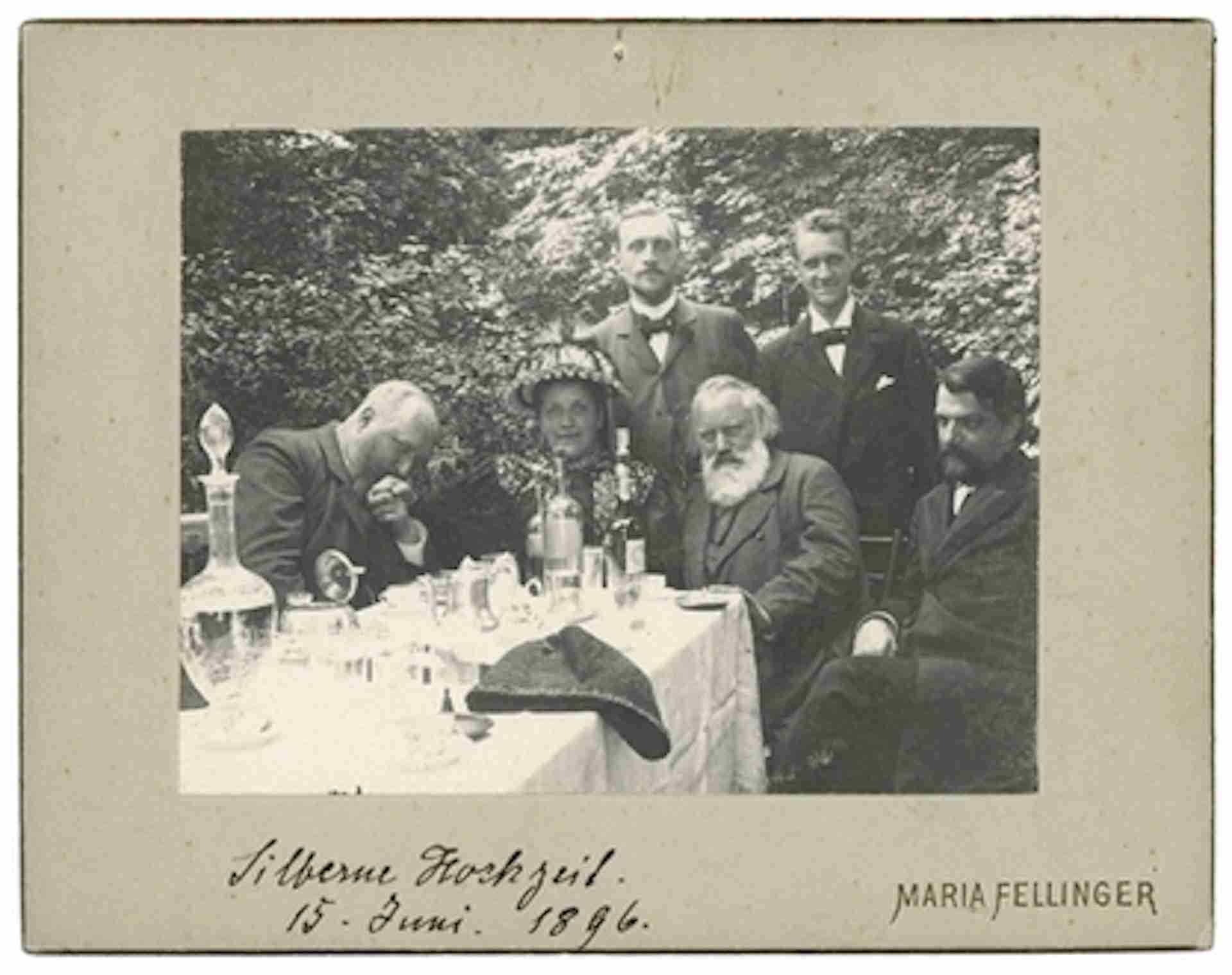
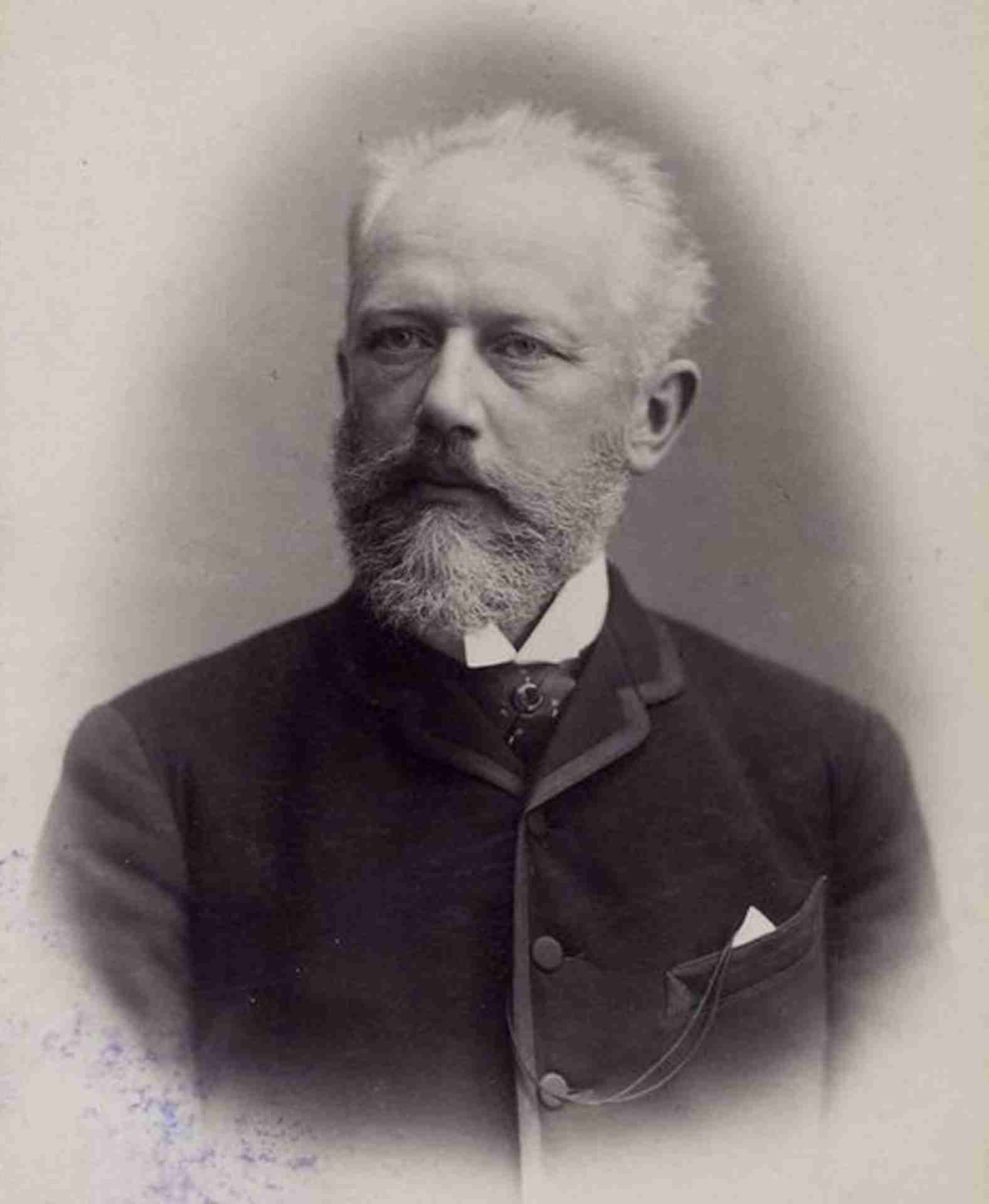
One of the defining factors of Grieg’s love songs is his use of folk influences. Unlike many of his contemporaries, Grieg often drew inspiration from traditional Norwegian music. This folk influence adds a distinctive flavor to his love songs, setting them apart from the works of composers like Brahms or Tchaikovsky. While these composers also wrote beautiful melodies, their influences stem primarily from the established Western classical traditions instead of folk traditions.
A Few Notable Comparisons
| Composer | Style | Influences |
|---|---|---|
| Edvard Grieg | Lyricism with folk elements | Norwegian folk music, Romantic themes |
| Johannes Brahms | Structured, rich harmonies | German tradition, Classical influences |
| Pyotr Ilyich Tchaikovsky | Passionate melodies | Russian themes, Western Romanticism |
Grieg’s ability to capture the essence of love is often conveyed through simple yet profound lyrics. His song “Jeg elsker dig” (I Love You) showcases his talent for expressing deep feelings using everyday language. This accessibility makes it relatable to a broad audience, allowing listeners to connect with the emotions conveyed. In contrast, Tchaikovsky’s songs may feature more complex structures and elaborate emotions, sometimes alienating listeners looking for simplicity.
Natural World Images
Another factor is Grieg’s use of nature in his love songs. Many compositions evoke natural world images, blending romantic feelings with serene landscapes. This contrasts sharply with Brahms, who often focused on human experiences and relationships in a more brooding and introspective manner. For Grieg, love frequently intertwines with the beauty of nature, creating a rich tapestry of emotion that offers listeners a multisensory experience.
Here are some of the notable characteristics differentiating Grieg’s love songs:
- Folkloric Themes: Grieg incorporates Norwegian folk melodies, creating a unique sound that resonates with cultural pride.
- Nature Imagery: His works often evoke a sense of natural beauty intertwined with the theme of love.
- Simplicity and Accessibility: Grieg’s lyrics are straightforward yet profoundly moving, allowing a broader audience to connect with his music.
- Emotional Range: While other romantic composers expertly convey passion, Grieg also captures moments of subtlety and tenderness.
Innovative
Grieg was also innovative in terms of vocal techniques. He often set his love songs for various voice types, including female and male soloists and choirs. This diverse approach allows his music to explore different nuances of love, while composers like Schumann primarily favored the male voice, focusing on the male perspective of love. This diversity in vocalization offers a more rounded exploration of romantic themes.
The orchestration in Grieg’s love songs further illustrates his unique style. He often employs a lighter instrumentation, allowing the voice to take center stage. In contrast, composers like Mahler and Wagner utilized more prominent orchestras, sometimes overshadowing the lyrical content and emotional message. Grieg’s skillful arrangements ensure that the tenderness of the love song shines through.
Delicate Orchestration
When considering the overall emotional landscape of love songs by Grieg and his romantic peers, it becomes clear that Grieg carved a niche for himself. His ability to blend folk melodies, nature-inspired themes, simplicity, vocal diversity, and delicate orchestration presents a unique lens through which to view love. Grieg’s contributions to the genre are not merely additions; they are transformative, marking a significant chapter in the narrative of romantic music.
Comparing Grieg’s love songs with those of other composers reveals the distinctive essence he brought to the genre, allowing it to resonate across generations and cultures.
The Role of Melody in Conveying Love: Insights from Grieg’s Work
Melody plays a vital role in how we express and experience love through music. In romantic compositions, Edvard Grieg stands out for his ability to capture the essence of love with his melodic creativity. Grieg, a Norwegian composer, is often celebrated for his emotional melodies that speak directly to the heart. His work does not merely accompany lyrics; it fundamentally enhances the message of love. This article explores how Grieg achieves this through his music.
Melody and Emotion Intertwine
One of the most exemplary pieces is “I Love You,” which beautifully illustrates how melody and emotion intertwine. The song effortlessly conveys a sense of longing and devotion. Here’s how Grieg’s use of melody transforms conventional expressions of love into something profoundly touching:
- Emotional Range: Grieg’s melodies show a broad emotional spectrum. With simple yet powerful melodic lines, he can evoke feelings of joy, nostalgia, or sadness.
- Dynamic Contrast: Grieg’s use of dynamics in his melodies adds depth. Soft, gentle phrases often evoke tenderness, while sudden crescendos can express passionate feelings.
- Recurring Themes: Grieg reinforces the themes of love by using repetitive melodic motifs. These motifs stick in the listener’s mind, making the emotional experience more memorable.
The relationship between melody and lyrics in “I Love You” is a perfect example of this synergy. The accompanying music enhances rather than overshadows the words. Grieg’s ascending musical phrases elevate the conveyed sentiment when expressing affection. This strategic use of melody showcases how music can deepen the audience’s emotional connection.
Vast Emotions Associated with Love
Grieg also employs the power of intervals. By using wide intervals in his melodies, he reflects the vast emotions associated with love. A rising fourth or fifth can express hope while descending intervals often convey a sense of longing or loss. By blending these intervallic choices, Grieg builds a soundscape that immerses listeners in the emotions associated with romantic love.
| Interval | Emotion Conveyed |
|---|---|
| Major third | Joy and warmth |
| Minor third | Nostalgia and longing |
| Perfect fifth | Hope and aspiration |
| Minor sixth | Despair or sadness |
Another critical aspect of Grieg’s melody is the lyrical flow, which mirrors natural speech patterns. This creates a greater intimacy, allowing listeners to relate to the emotional journey. Using phrasing where each melodic line has a beginning and end further encourages the listener to engage with the piece on a personal level. This rhythmic quality resembles how we communicate love in daily life, with varied tones and inflections that add layers of meaning.
Love and Passion
Moreover, Grieg’s influence extends beyond solo piano works to larger compositions. His concerti and orchestral pieces utilize melody as a central vehicle for emotional expression. For example, the melodies in his piano concerto resonate with themes of love and passion without the need for words. The orchestration and arrangement add more colors to these melodies, showcasing how they can evolve and express different facets of love.
Listeners often find themselves drawn into the narratives woven through Grieg’s melodies. They invite you to explore your feelings and eat at the roots of what love means to you, whether it be joy, sorrow, yearning, or fulfillment. This connection fosters a sense of community among audiences, as shared feelings of love unite people across cultures and generations.
In essence, Edvard Grieg’s masterful understanding of melody allows him to convey complex emotions tied to love effectively. His ability to combine beautiful melodic lines with emotional depth creates a timeless experience. Whether you are a seasoned listener or new to his music, Grieg’s work invites you to reflect on your loving experiences and the melodies that have accompanied those moments.
As you immerse yourself in Grieg’s enchanting melodies, remember that they do more than entertain. They inspire reflection and connection, adding a beautiful layer to the ever-evolving tale of love we all share.
The Legacy of Grieg’s Love Songs in Contemporary Music
Edvard Grieg, the Norwegian composer, left an indelible mark on the music world with his profound contributions to the love song genre. His deep understanding of emotion and melody resonates with audiences even today. Grieg’s love songs, mainly through his collection of lyrical pieces, realigned how we perceive romantic music, influencing generations of artists across various musical styles.
The essence of Grieg’s love songs lies in their ability to convey raw emotion. His music captures the delicate nuances of love – from passionate longing to gentle affection. One of his most notable works, “I Love You” from the “Lyric Pieces,” encapsulates this sentiment beautifully. Grieg understood the heart’s language better than many of his contemporaries.
Norwegian Traditional Music
By blending folk melodies and classical structures, Grieg created a unique sound that has inspired many singers and composers. He infused elements of Norwegian traditional music into his compositions, which made his love songs both authentic and relatable. Here is how Grieg’s contributions continue to be relevant in contemporary music:
1. Emotional Depth: Grieg’s ability to express complex feelings in simple melodies has inspired modern musicians. Artists like Adele and Sam Smith have drawn on this emotional honesty, channeling similar feelings in their love songs. Their lyrics often reveal vulnerability, much like Grieg’s compositions.
2. Melodic Structure: The melodic lines Grieg crafted remain influential. His songs are characterized by memorable, singable phrases with which listeners can easily connect. Contemporary pop songs frequently utilize this same technique, creating hooks that resonate with audiences day after day.
Captivating Moments
3. Harmonic Innovation: Grieg’s innovative use of harmony paved the way for future composers. He often employed unexpected chord progressions within his love songs, leading to unpredictable and captivating moments. This technique is now a staple in pop and jazz, allowing contemporary artists to explore new emotional territories.
4. Cultural Synthesis: Grieg’s incorporation of folk elements made classical music more accessible. Modern artists continue this trend, mixing genres and cultural influences in their love songs. For instance, artists like Ed Sheeran and Norah Jones draw from various cross-cultural rhythms, much like Grieg did with Norwegian folk music.
Grieg also transformed vocal music by giving the pianist an equally important role. The delicate interplay between voice and piano in his love songs has inspired a new generation of songwriters to view instrumentation as equally crucial as lyrical content. For example:
- Duets: Many contemporary love songs feature equal vocal parts, reminiscent of Grieg’s partnerships between singer and pianist.
- Piano-Centric Songs: The piano plays a crucial role in love ballads, embodying the emotional core as in Grieg’s works.
New Life into a Cherished Classic
With the rise of technology, streaming platforms allow Grieg’s melodies to reach a global audience. Many contemporary artists sample or reinterpret his works, marrying the past with modern sounds. For example, a pop artist might incorporate a snippet of “I Love You” into their music, breathing new life into a cherished classic while drawing attention back to the original composer.
Here is a small comparison table that illustrates some of Grieg’s influence on modern love songs:
| Grieg’s Love Song Features | Modern Love Song Examples |
|---|---|
| Emotional depth | Adele – “Someone Like You“ |
| Melodic simplicity | Ed Sheeran – “Perfect“ |
| Unexpected harmonic twists | Billie Eilish – “I Love You“ |
| Folk influences | Mumford & Sons – “I Will Wait“ |
Grieg’s contributions to the love song genre have transcended time, continuing to influence contemporary music profoundly. From emotional depth to melodic structure, his legacy resonates in the heart of countless modern love songs. The universal themes of love, vulnerability, and emotional connection remain relevant, proving that the human experience, as expressed through music, endures. The beauty of Grieg’s work inspires artists to dream, create, and narrate the language of love through their melodies, ensuring his legacy will live on for future generations.
Final Words – I Love You: Grieg’s Contribution To The Love Song Genre
Edvard Grieg’s contribution to the love song genre is profound and transformational. His piece “I Love You” is a remarkable example of how deeply emotion can resonate through musical composition. This work perfectly matches melody and sentiment, encapsulating love’s passions and intricacies. Grieg’s ability to express such emotional depth allows listeners to connect with the music personally, creating a timeless experience that continues to move audiences.
As love songs evolved, Grieg’s influences became pivotal. His unique lyrical style set the stage for future composers, intertwining heartfelt themes with memorable melodies echoed throughout music history. When comparing Grieg’s love songs to those of other romantic composers, it’s clear that his approach combines delicate harmonies with dynamic storytelling, making his work distinct and enduring.
Melody plays an instrumental role in conveying the message of love in Grieg’s compositions. By crafting tunes that evoke deep feelings, he effectively transforms simple words into powerful expressions of emotion. This melodic strength defines his work and sets a benchmark for the following love songs.
Today, the legacy of Grieg’s love songs remains vibrant in contemporary music. Modern artists continue to draw inspiration from his techniques, ensuring that the essence of romantic expression he perfected still thrives. Edvard Grieg’s contributions have indelibly shaped the love song genre, merging art, emotion, and resonance in a relevant and cherished way.
Readers may also enjoy The Muse Behind the Melody: Johannes Brahms and His Violin Concerto in D Major, Grieg’s Wedding Day At Troldhaugen and Today’s Love Songs, A Romantic Fantasy, and Melody in Music.