


Professional Mime Communication Workshops for Autistic Children
Nonverbal communication offers an invaluable pathway for children to express themselves beyond words. This becomes especially meaningful for autistic children, who often face challenges in traditional verbal communication. Professional mime’s nonverbal communication workshops have emerged as an impactful, supportive program, enabling autistic children to explore their emotions creatively. These workshops improve social skills, boost confidence, and foster connection through gesture and movement.
The benefits of these workshops extend far beyond mere fun and games. Children can better express their emotions, engage socially, and develop essential life skills by learning to communicate nonverbally. The workshops are designed to meet each child where they are, offering them opportunities to grow in a safe and welcoming environment.
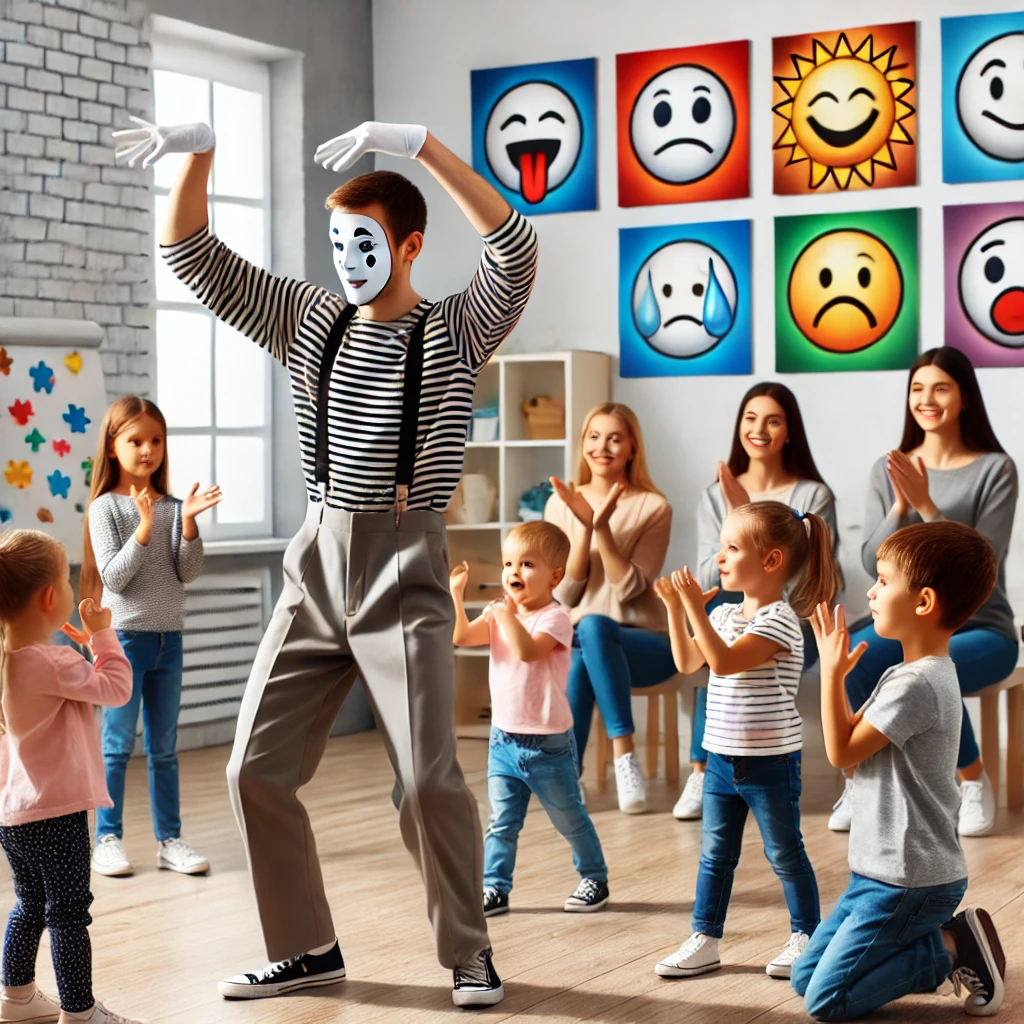
How Nonverbal Communication Benefits Autistic Children
Autistic children benefit greatly from nonverbal communication workshops. These classes focus on developing emotional awareness and social interaction, key areas where children on the spectrum often require support. Here are some of the essential advantages:
- Enhanced Emotional Expression: Children learn to express emotions without words through gesture and movement. Mimes teach them to convey feelings such as joy, frustration, or excitement through nonverbal cues.
- Improved Social Skills: Nonverbal communication requires children to engage in group activities. They learn essential social interaction skills by practicing turn-taking, recognizing facial expressions, and reading body language.
- Increased Confidence: Children feel empowered as they develop their ability to communicate nonverbally. Success in these workshops gives them the confidence to express themselves in other areas of life.
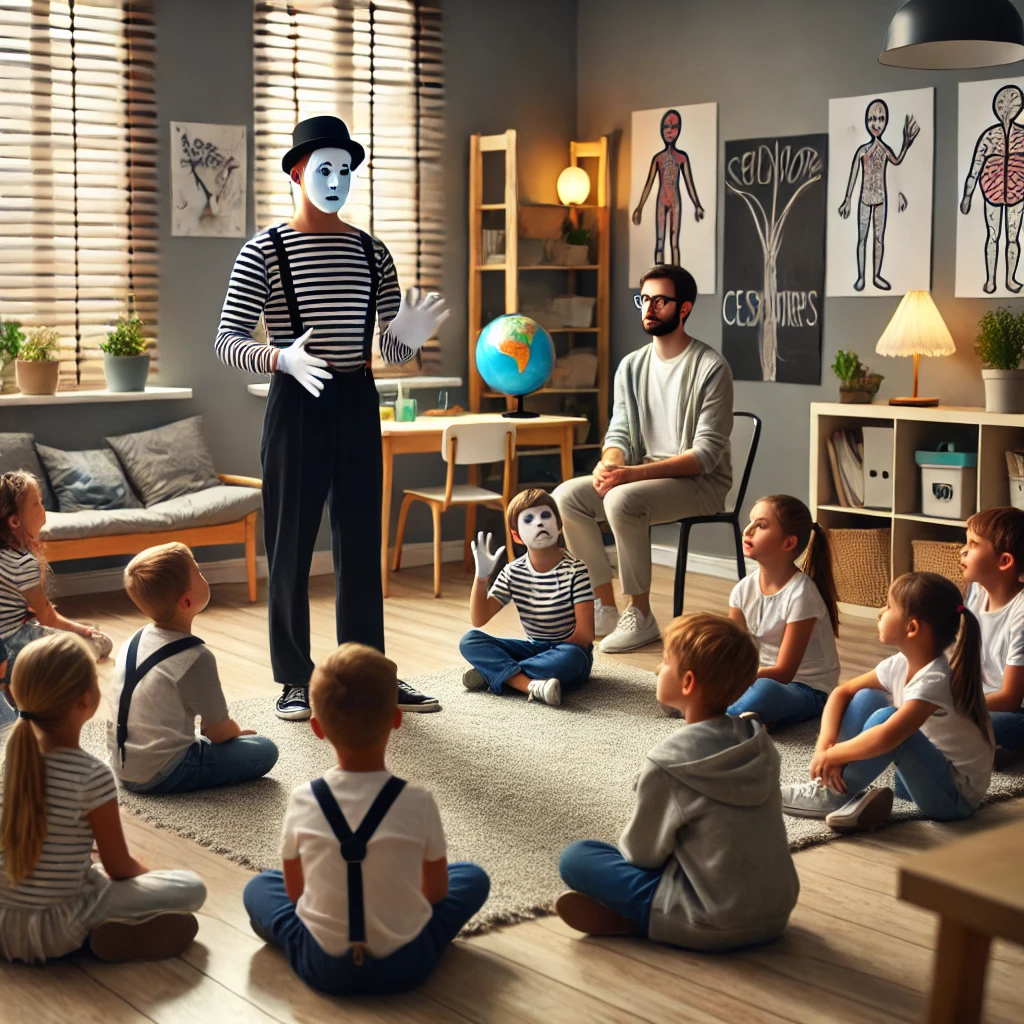
These workshops also offer significant flexibility, adapting to each child’s unique communication style. A typical session involves warm-up exercises, imitation games, and collaborative activities. Children learn through play in every exercise, building their self-expression abilities and social skills without pressure.
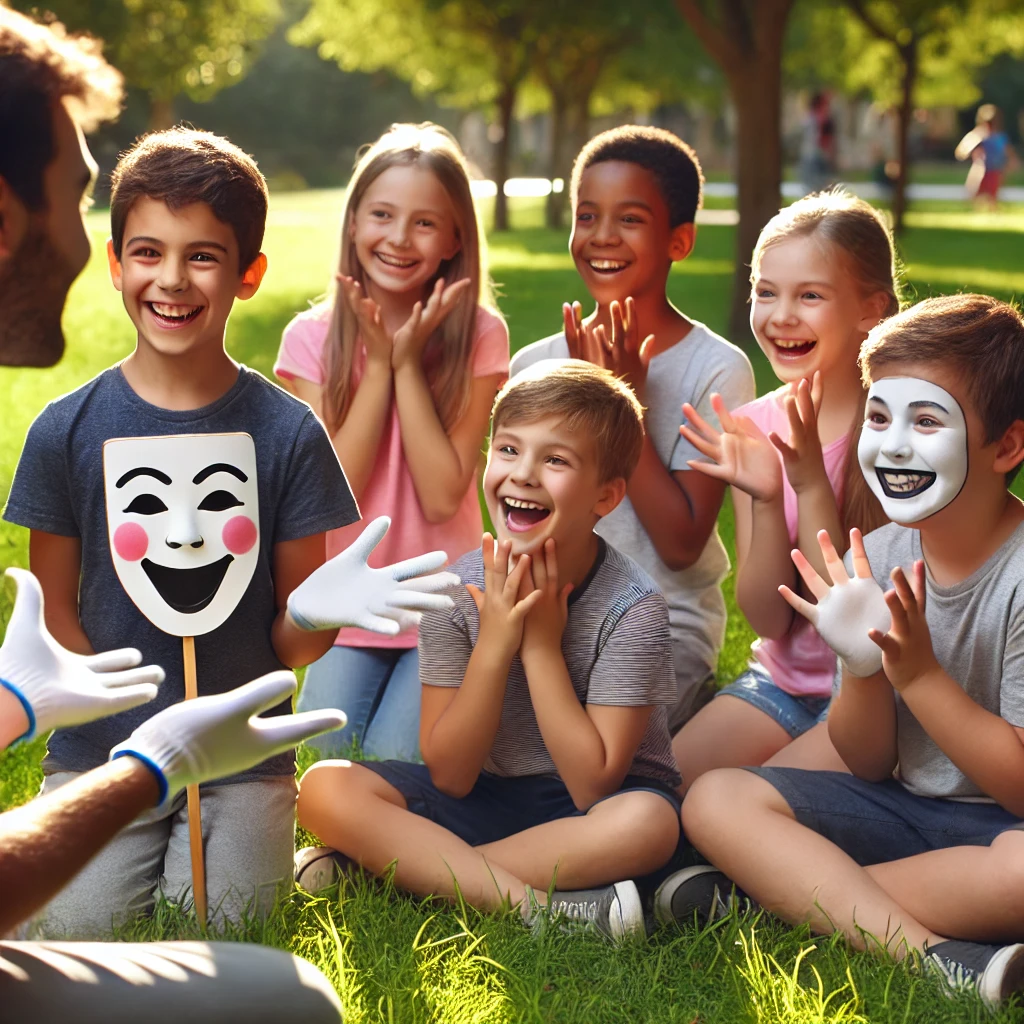
The Structure of a Typical Mime Workshop
Each session in the workshop is carefully designed to maximize learning and engagement. Here’s what a typical day might look like:
- Warm-up Exercises: The session starts with simple stretches and movement routines. These help the children feel more connected to their bodies and ease them into the activities.
- Imitation Games: Children mimic the instructor’s gestures and facial expressions. Imitation is key to learning nonverbal communication, and it helps improve focus and attention to detail.
- Storytelling Through Movement: Children participate in creative storytelling exercises. They create stories using only their bodies—no words are necessary. This fosters creativity and helps them express complex emotions.
- Group Collaboration: Children work in groups to engage in games or performances. These activities encourage teamwork, teach turn-taking, and build stronger connections with their peers.
Real Impact: Data and Feedback
The effectiveness of these workshops is evident in the numbers. According to a study conducted with participants in professional mime workshops, the outcomes are overwhelmingly positive. For more insights into research on nonverbal communication and autism, consider reviewing data from organizations like the Autism Society and Autism Speaks.
| Outcome | % of Participants Reporting Improvement |
|---|---|
| Emotional expression | 80% |
| Social interaction | 75% |
| Confidence levels | 85% |
| Creativity in expression | 90% |
These statistics highlight the transformative power of nonverbal communication, especially for autistic children. Through mime, they learn to communicate naturally and comfortably, often leading to greater self-expression and emotional understanding. Studies such as those found on Verywell Health offer additional evidence supporting the role of creative arts in autism therapy.
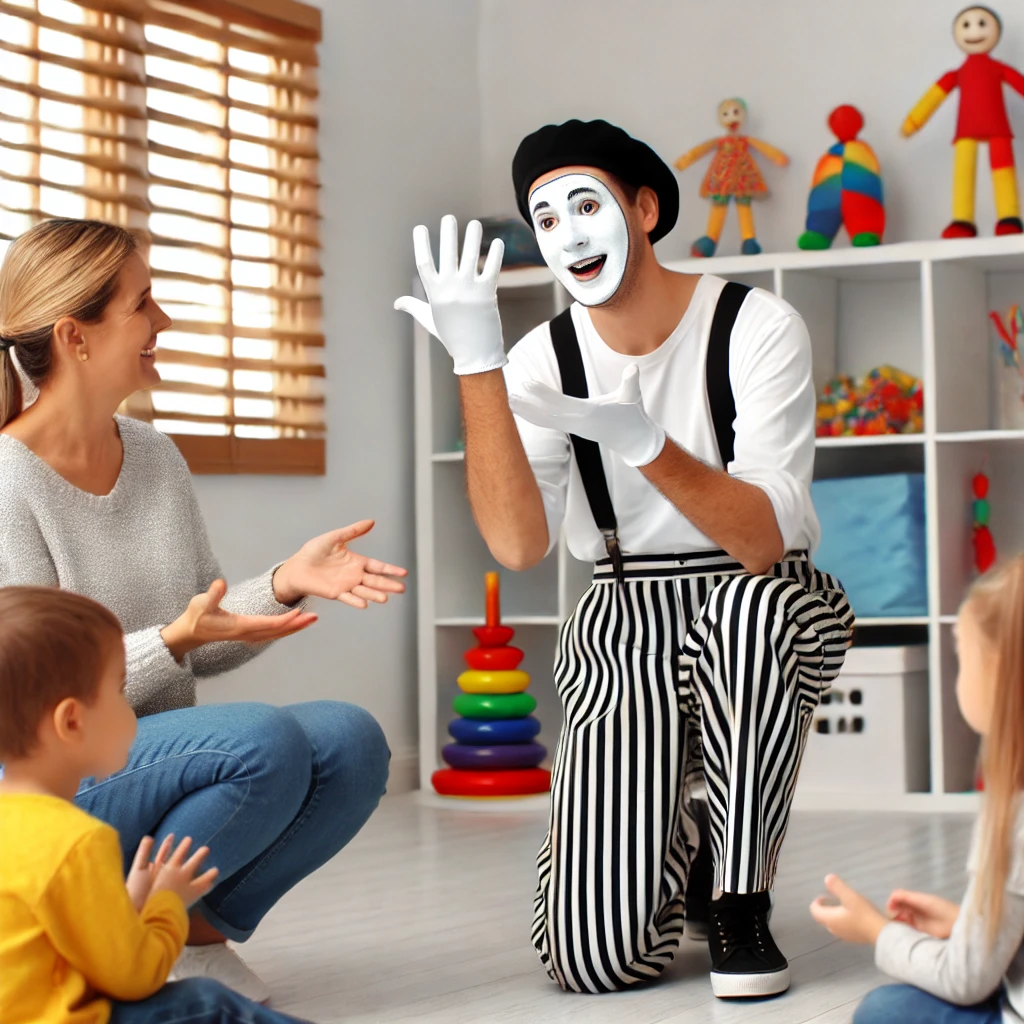
Testimonials: Parents and Children’s Experiences
For many families, these workshops are life-changing. One mother, Sarah, recalls how her 7-year-old son, Alex, blossomed after attending a mime workshop. “He used to struggle with showing how he felt. Now, he has found a new way to communicate through gestures,” she shared.
Another parent, Elise, who has a son with cerebral palsy, also found hope in these workshops. “The focus wasn’t on ability but creativity. Marcus felt included, and he learned so much from the activities,” she remarked.
These personal experiences reflect the deeper emotional connection children gain through mime. It’s not just about learning a new skill—it’s about self-discovery and building bridges to connect with others.
Strategies for Effective Engagement
The success of these workshops relies on several key strategies that help autistic children thrive:
- Positive Reinforcement: Children are praised for their efforts, making them feel accomplished.
- Interactive Learning: Games and group exercises ensure that children stay active and engaged throughout the workshop.
- Sensory-Friendly Environments: Workshops are held in spaces that accommodate sensory sensitivities, making the children feel more comfortable.
A Pathway to Communication for All
Professional mimes play a crucial role in guiding these workshops. Their ability to convey emotions and tell stories through gestures opens doors for autistic children who may struggle with words. By participating, children learn to express themselves and connect with peers and family members meaningfully.
As nonverbal communication workshops grow in popularity, the potential for emotional and social development in autistic children becomes even more apparent. The workshops provide a structured yet creative environment that nurtures growth and fosters deep connections.
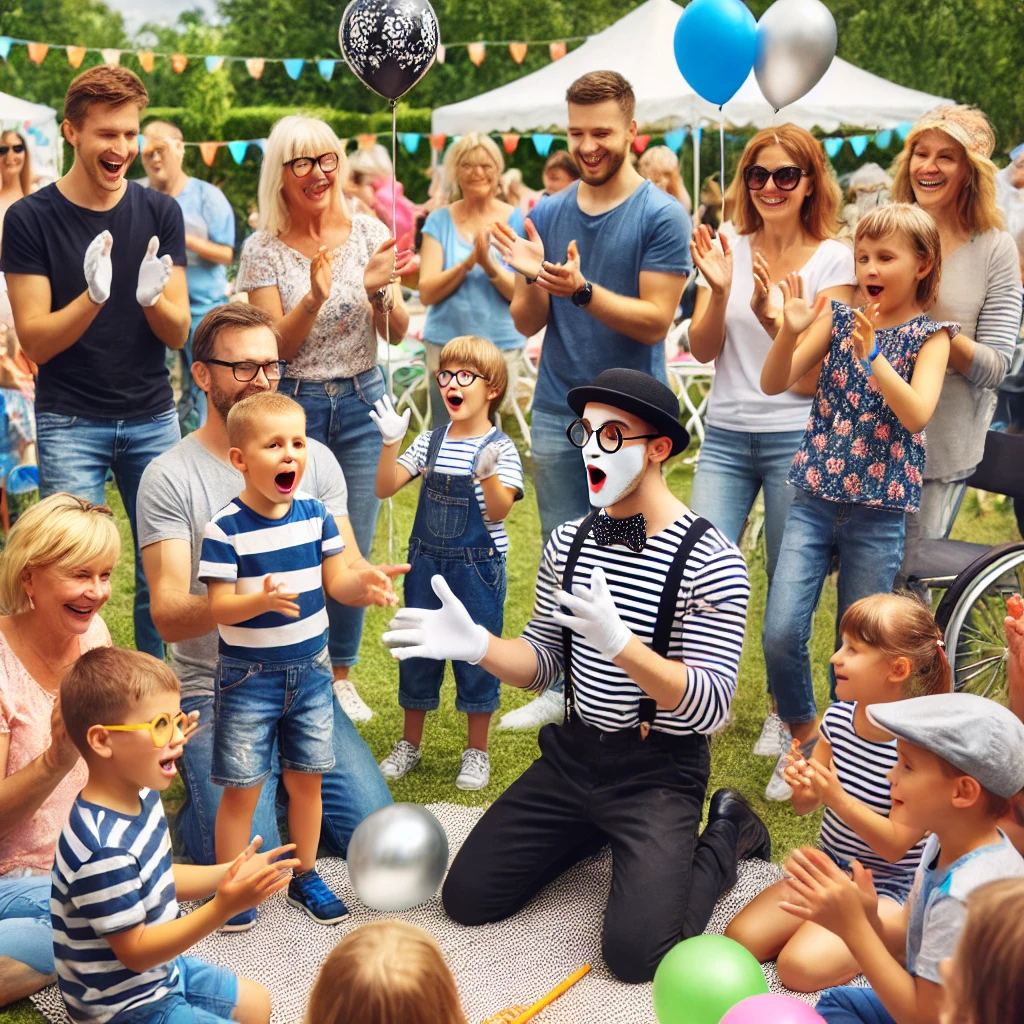
Conclusion: The Power of Nonverbal Communication
Professional mime workshops are much more than a form of entertainment. They are essential for helping autistic children find their voices—without needing to speak. By focusing on nonverbal communication, these programs offer children a way to express emotions, connect with others, and build confidence. In a world that often prioritizes words, these workshops show that gestures and movements can speak just as loudly.
As families continue to share success stories, it becomes clear that these workshops are creating lasting, positive impacts on autistic children. These programs offer a brighter path forward through creative engagement, social development, and emotional expression.
Links:
- Autism Society: @autismsociety
- The Mime Company
- American Art Therapy Association: @arttherapyorg
- Verywell Health: @verywell
If you enjoyed this article, check out our Human Interest stories HERE.