


A Ballerina’s Posture and Movement Classes for Children with Scoliosis
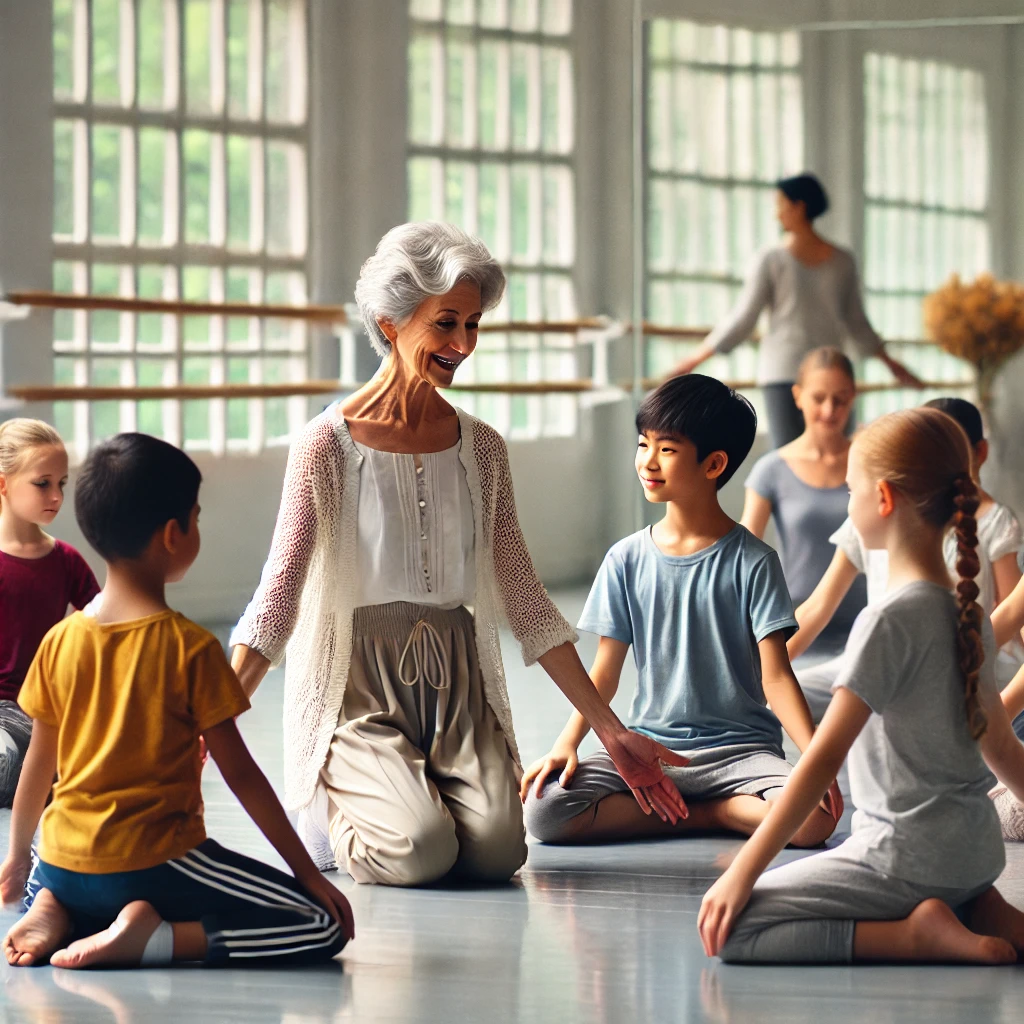
Finding activities that support development while being mindful of their unique needs can be challenging for children with scoliosis. One innovative and effective solution is the posture and movement classes offered by retired ballerinas. These classes integrate therapeutic practices with dance techniques specifically designed for children with scoliosis.
The benefits of participating in these classes go beyond simply learning dance. The expertise of retired ballerinas brings invaluable knowledge about posture, body alignment, and movement strategies that can significantly improve a child’s condition. Let’s explore how these classes benefit children with scoliosis.
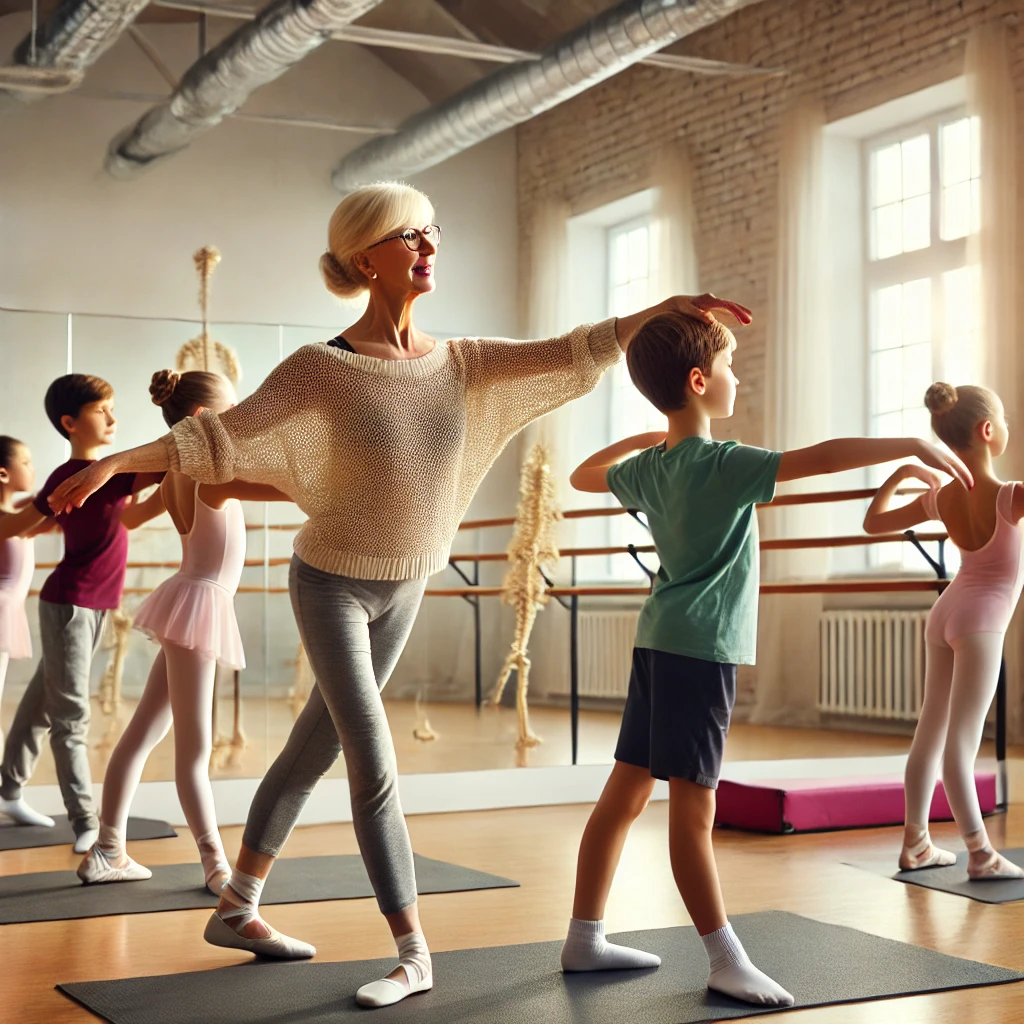
Enhanced Posture and Alignment
Children with scoliosis often struggle to maintain proper posture. Retired ballerinas are trained to prioritize alignment and poise, skills that translate directly into techniques for scoliosis management. Through focused exercises, children learn to:
- Engage core muscles.
- Maintain their center of gravity.
- Understand the importance of body alignment in everyday movements.
By regularly practicing these techniques, children can develop better postural habits. This can alleviate discomfort and may reduce the progression of scoliosis.
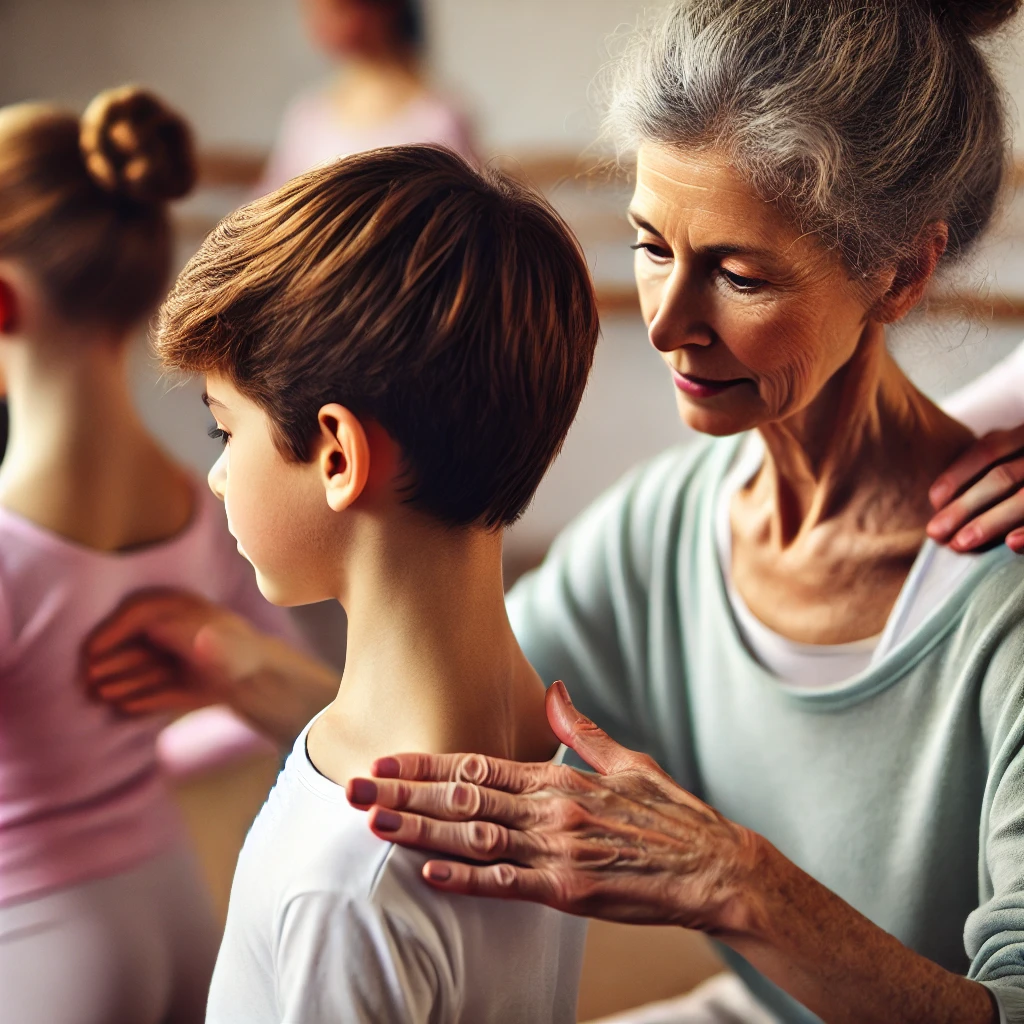
Improved Flexibility and Strength
Movement classes led by retired ballerinas focus heavily on flexibility and strength, crucial areas children with scoliosis need to improve. Structured stretching routines enhance spinal flexibility and strength, contributing to a more stable structure. Here’s how:
- Stretching exercises alleviate muscle tension.
- Strength training enhances muscle support around the spine.
- Regular movement helps prevent muscle imbalances.
These classes empower children to better manage their scoliosis by promoting flexibility and strength.
Boosted Confidence and Social Skills
Participating in these movement classes in a supportive environment boosts children’s confidence. Children with scoliosis may feel self-conscious about their body image, but engaging in dance helps them overcome that. The social interaction with peers promotes teamwork, communication, and friendship-building. Children find joy in dancing and create a sense of belonging within the class, enhancing their overall well-being.
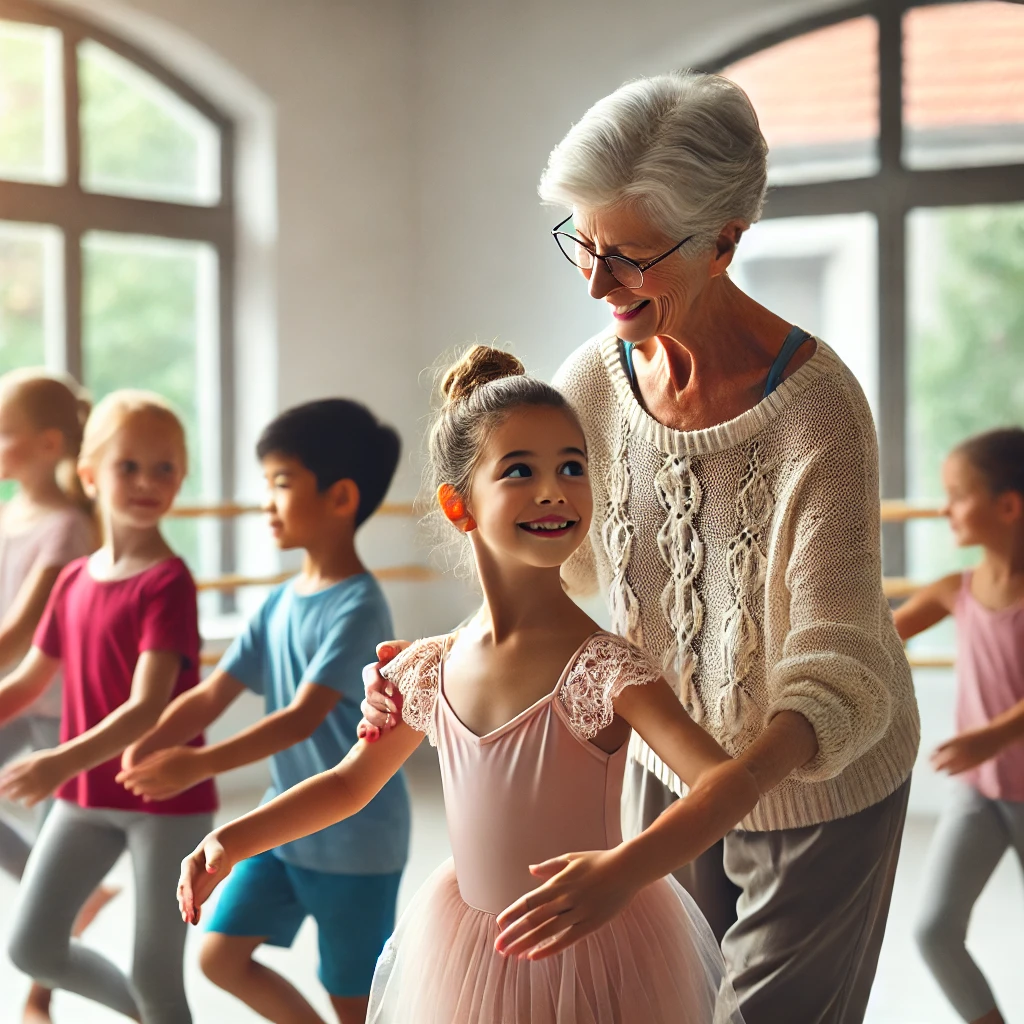
Mind-Body Connection
These classes often integrate mindfulness practices, which greatly benefit children with scoliosis. Understanding the connection between thoughts and physical state fosters self-awareness. Children learn to:
- Develop body awareness and motor skills.
- Enhance relaxation techniques to reduce stress.
- Explore breathing exercises to help manage pain.
Combined with movement, these techniques provide children with foundational tools for self-care that they can use in everyday life.
Individualized Approach
Each child’s scoliosis journey is unique, and the retired ballerinas who lead these classes are skilled in tailoring exercises to meet each child’s needs. This personalized approach ensures:
- Modification of movements based on the child’s comfort level.
- Continuous assessment of progress and adjustments in technique.
- Supportive feedback that encourages growth and adaptation.
With individualized attention, children feel understood and motivated to engage fully in their practice.
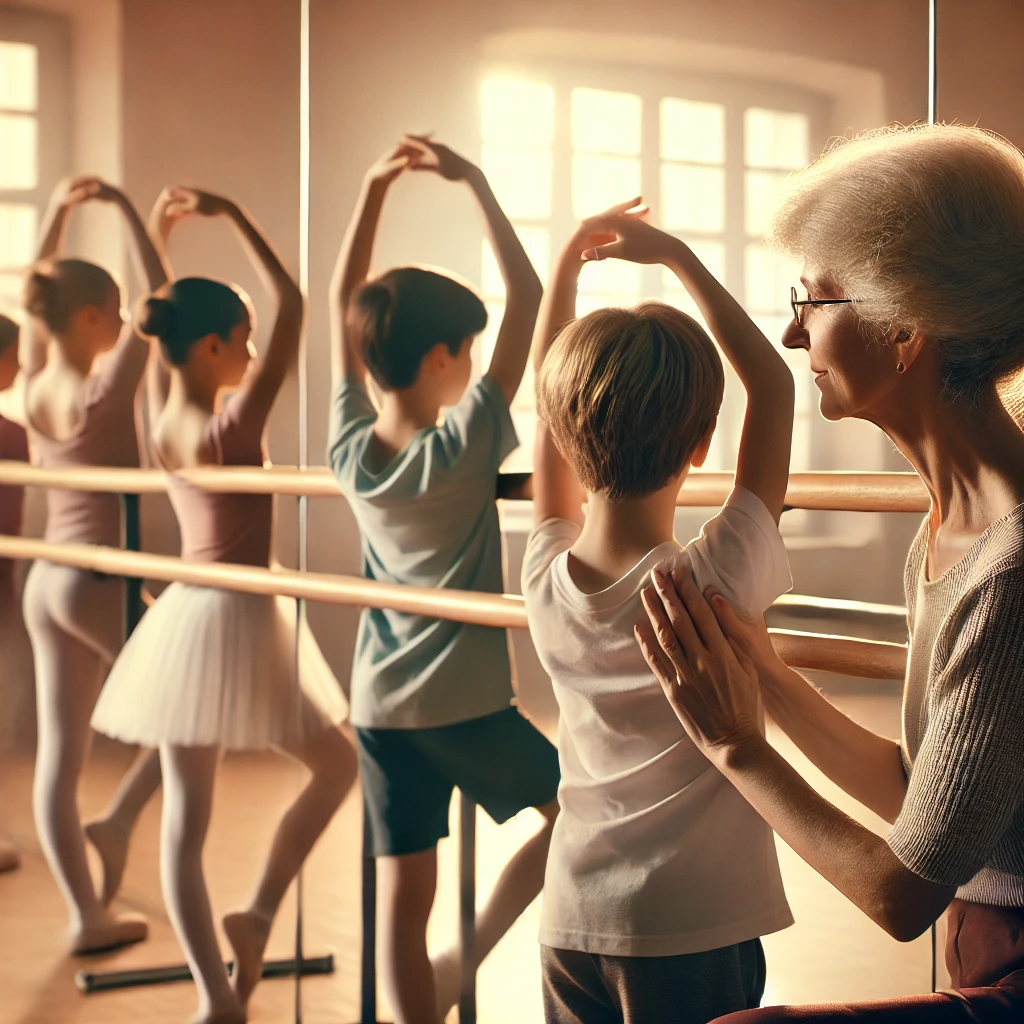
Access to Expert Guidance
Engaging in movement classes with retired ballerinas provides children access to expert guidance. These instructors offer insights into:
- The biomechanics of movement.
- Strategies to mitigate discomfort associated with scoliosis.
- Long-term benefits of maintaining a healthy lifestyle through movement.
The expertise these retired ballerinas bring can significantly impact children with scoliosis’s physical and emotional well-being.
For more information on these classes and their benefits, visit the Scoliosis Research Society or the Royal Ballet School.
How Dance Techniques Can Improve Posture in Young Learners
In today’s fast-paced world, many young learners struggle with poor posture due to prolonged periods of sitting or using technology. Dance techniques have emerged as an engaging solution to help combat these issues. Incorporating movement, rhythm, and body awareness into their daily routines improves posture and overall well-being.
By understanding the biomechanical principles behind dance, young people can positively impact their physical development. Here’s how dance techniques enhance posture in young learners:
- Improved Body Awareness: Dance promotes awareness of body alignment and movement.
- Core Strength: Engaging the core stabilizes the spine, which is crucial for good posture.
- Balance: Dance routines require balancing on one leg or holding positions, improving stability and body control.
Flexibility and strengthening exercises from dance classes also enhance spinal health, particularly for children with scoliosis.
Inspirational Stories: Transformative Experiences from Posture and Movement Classes
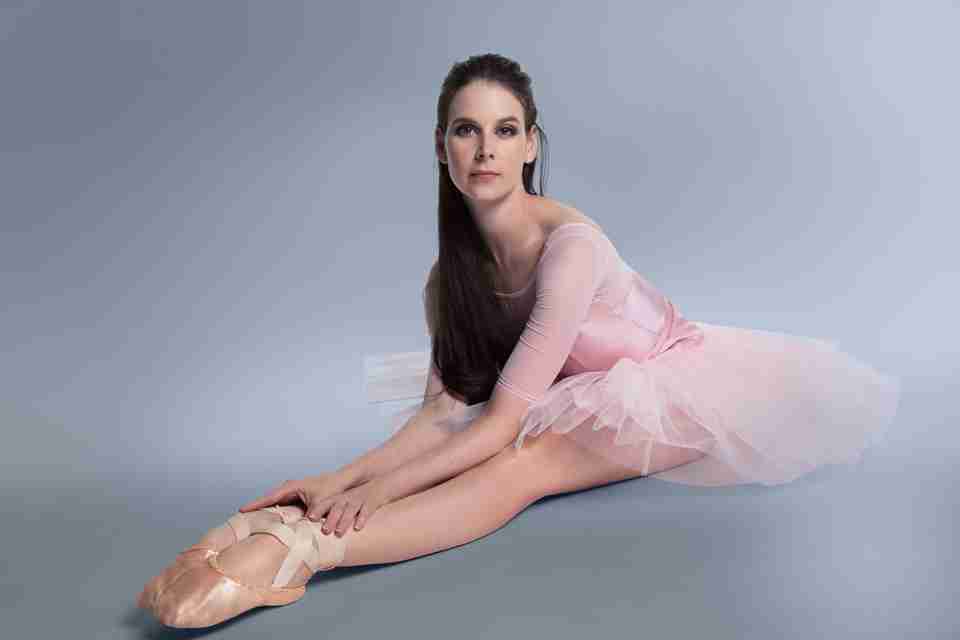
Posture and movement classes have inspired many young participants with scoliosis, helping them overcome physical limitations and build self-confidence. For example, Mary Helen Bowers, a retired ballerina, uses her expertise to help children build strength, grace, and poise. Her program, Ballet Beautiful, is designed to assist in developing posture and movement for those facing physical challenges like scoliosis.
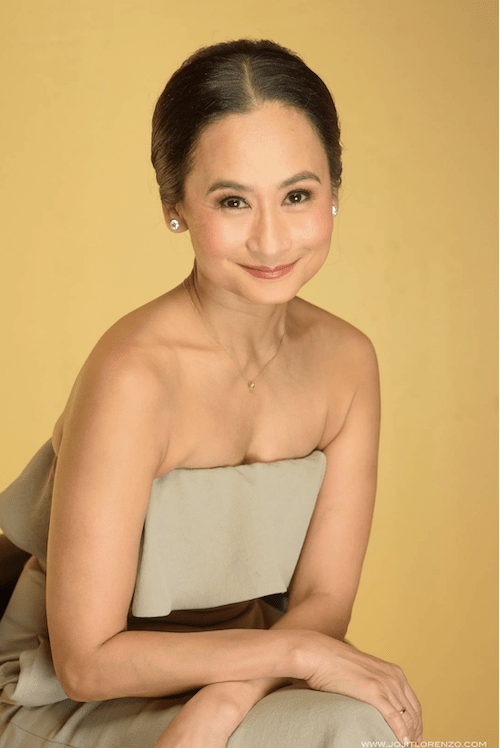
Similarly, Lisa Macuja-Elizalde, a renowned ballerina, has been involved in programs to empower young dancers with physical conditions. Both ballerinas use their unique skills to create a supportive and encouraging environment for children facing scoliosis.
For Ava, a 10-year-old girl diagnosed with scoliosis, the movement classes she took under Mary Helen’s guidance became a life-changing experience. Ava improved her posture and developed confidence and a love for movement, helping her manage her scoliosis gracefully.
Key Takeaway: Transforming Lives Through Dance
Retired ballerinas’ posture and movement classes for children with scoliosis provide more than just physical benefits. By incorporating dance with therapeutic techniques, these classes offer children a supportive space to develop strong postural habits, increase self-confidence, and build emotional resilience. These experiences empower children to turn their challenges into strengths.
Conclusion: Empowering Children with Scoliosis
The impact of retired ballerinas’ posture and movement classes for children with scoliosis cannot be overstated. These classes improve physical alignment and emotional well-being, offering a unique approach to managing scoliosis. These children learn to embrace their bodies confidently and gracefully through expert guidance, personalized attention, and a supportive community.
For more details, visit the Scoliosis Research Society, Ballet Beautiful, or Lisa Macuja-Elizalde.
Links
- Scoliosis Research Society: @srs_scoliosis
- The Royal Ballet School: @royalballetschool
- Ballet Beautiful (Mary Helen Bowers): @balletbeautiful
- Lisa Macuja-Elizalde: @lisamacujaballerina
If you enjoyed this article, check out our other Human Interest stories HERE.