


Classical Musicians Making Waves In NYC’s Jazz Scene
Crossover stars are making waves in the vibrant jazz scene of New York City, bridging the gap between the structured world of classical music and the improvisational essence of jazz. This remarkable transition highlights not only the versatility of these musicians but also the expanding nature of artistic expression in NYC. Get ready for Crossover Stars: Classical Musicians Making Waves In NYC’s Jazz Scene.
Many classical musicians are stepping into jazz clubs, bringing an expansive skill set and a wealth of musical knowledge. Their backgrounds enrich the jazz landscape, creating fresh sounds and innovative experiences. Here’s a deeper dive into how these crossover artists thrive in NYC’s jazz scene.
The Unique Contributions of Classical Musicians
Classical musicians possess technical proficiency and a deep understanding of music theory. These aspects greatly enhance their transition into jazz. They are skilled in reading music and interpreting complex compositions, which allows them to adapt to the improvisational demands of jazz. Here are some key contributions they bring:
- Technical Mastery: Their rigorous training equips them to handle intricate melodies and harmonies.
- Expanded Repertoire: Classical musicians often have diverse influences, allowing them to infuse jazz with unique elements.
- Discipline and Focus: The dedication required in classical music translates well into the practice and performance of jazz.
Prominent Crossover Artists
Several notable classical musicians have made a mark in the NYC jazz scene. Here’s a look at a few of them:
| Name | Background | Notable Work |
|---|---|---|
| Chris Thile | Mandolinist, Classical, and Bluegrass | Collaborations with jazz artists and projects like “A Prairie Home Companion.” |
| Wynton Marsalis | Trumpeter, Formerly Classical | Leadership at Jazz at Lincoln Center and orchestral jazz performances. |
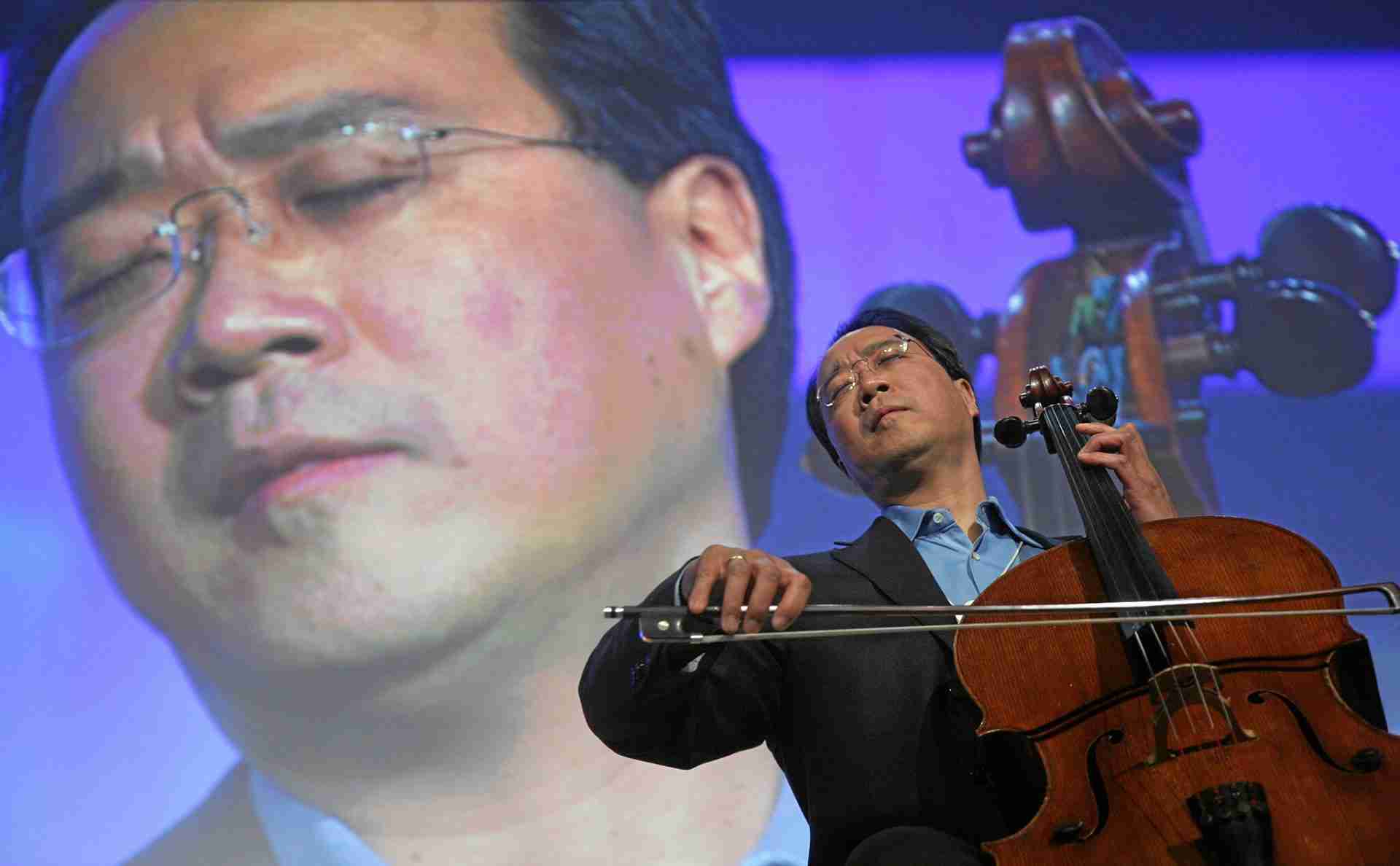
| Yo-Yo Ma | Cellist, Incorporates Various Genres | Cross-genre projects, including jazz collaborations. |
These artists exemplify the successful blending of genres, showcasing how classical training can elevate jazz performance. Each brings unique flair and insights, inspiring audiences and fellow musicians alike.
The Impact on NYC’s Music Culture
Introducing classical musicians into the jazz scene has broadened NYC’s music culture. Jazz venues are witnessing an increase in creativity and experimentation. As these artists perform in local clubs, they attract diverse audiences eager to experience something new.
This cultural synergy creates a more inclusive environment where musicians and fans from different backgrounds come together. It helps foster collaboration, leading to unexpected partnerships that push the boundaries of both genres. It’s Classical Musicians Making Waves In NYC’s Jazz Scene.
Challenges of Transition
While transitioning from classical to jazz can be advantageous, it’s challenging. Musicians may face obstacles such as:
- Improvisation Skills: Jazz relies heavily on improvisation, which classical training doesn’t typically emphasize.
- Style Adaptation: Musicians may struggle to let go of the structured training that defines classical music.
- Audience Expectations: Balancing the expectations of both classical and jazz audiences can be demanding.
Advice for Aspiring Crossover Artists
If you’re a classically trained musician hoping to dive into the jazz scene, here are some tips to help you succeed:
- Practice Improvisation: Regularly engage in jam sessions where improvisation is key.
- Listen Actively: Immerse yourself in jazz recordings to understand styles and nuances.
- Network: Connect with other jazz musicians to learn and share experiences.
As the lines between genres blur, crossover stars enrich the fabric of NYC’s musical landscape. By taking the plunge into jazz, classical musicians are opening doors to new artistic expressions and redefining what it means to be a musician in today’s diverse musical world. Engage with the thrilling performances and innovative collaborations emerging, and you may discover a newfound appreciation for the beauty of music that transcends boundaries.
The Influence of Classical Training on Jazz Improvisation
The world of music is as diverse as it is inspiring. We discover a fascinating blend of structure and freedom when we explore the crossover between classical training and jazz improvisation. Classical musicians, with their disciplined backgrounds, often thrive in New York City’s vibrant jazz scene. Their sophisticated understanding of music theory and technique allows them to bring a unique perspective to jazz. This combination results in an enriched musical tapestry that captivates audiences.
Classical training offers musicians a deep foundation in music structure. This training emphasizes techniques like sight-reading, ear training, and mastery of their instrument. With this expertise, classical musicians transitioning into jazz often stand out in several key areas:
- Technical Proficiency: Classical musicians have developed skills that allow for intricate melodies and fast-paced solos. Their ability to navigate complex rhythms can add layers to a jazz performance.
- Music Theory Knowledge: A solid grounding in music theory enables classical musicians to understand chord progressions and scales. This knowledge is vital for improvisation and creates a seamless flow during performances.
- Ear Training: Classical musicians often possess heightened listening skills. This acute sense of pitch and harmony is crucial when playing with other musicians in a jazz ensemble.
Innovation
In NYC, the melting pot of musical styles, many classical musicians utilize their background to push the boundaries of jazz. This city thrives on innovation, and the influence of classical training has led to a cross-pollination of ideas. You can frequently find classical artists joining jazz quartets, expanding the genre’s texture and complexity.
| Notable Classical Crossover Artists | Influence in Jazz |
|---|---|
| Branford Marsalis | His jazz saxophone skills showcase a deep understanding of classical techniques. |
| Joshua Bell | Known as a virtuoso violinist, he often improvises in jazz settings. |
| Yo-Yo Ma | His adventurous spirit has led him to explore jazz collaborations and fusion projects. |
These artists illustrate how classical training contributes significantly to jazz improvisation. Their ability to combine genres enriches their musical identity and invites audiences into a more profound listening experience. In a city like New York, where cultural exchange is constant, these musicians thrive by blending different styles.
Another significant factor is the adaptability encouraged in classical training. While classical music adheres to strict notation, jazz improvisation requires spontaneity and creativity. Musicians trained classically can effectively adapt their formal skills to improvise in real-time, allowing for dynamic performances. This ability to switch between structured pieces and free jazz enhances the overall experience for both the musicians and the audience.
Freedom
Moreover, many classical musicians engage with the rich history of jazz to inform their improvisation techniques. They examine the works of legendary jazz composers, using these influences to shape their style. This process expands their creative boundaries and creates a dialogue between classical and jazz traditions. Musicians find freedom in bending the rules and harmonizing contrasting elements from both worlds.
In practical settings, you might observe classical musicians participating in jam sessions or open mics around NYC. These informal gatherings allow them to experiment and learn from each other in real time. Such interactions are vital for their growth as artists, encouraging risk-taking and collaboration that fuels the vibrant jazz ecosystem of the city.
All in all, classical training’s influence on jazz improvisation is profound and impactful. Musicians navigating this crossover bring a wealth of knowledge and skill that shapes New York City’s jazz scene sounds. This highlights how classical foundations can significantly enrich the art of improvisation, leading to a more versatile and exciting experience for everyone involved. As these worlds continue intermingling, we expect to witness even more innovative approaches that challenge traditional musical boundaries.
Notable Classical Musicians Who Have Embraced Jazz in New York
New York City is a vibrant hub for music, where various genres collide, creating a melting pot of sound and creativity. Among the many scenes thriving in this city, the dynamic interplay between classical and jazz music has birthed a new era of crossover stars. Notable classical musicians have begun to make waves in NYC’s jazz scene, showcasing their versatility, passion, and love for improvisation. These artists are pushing boundaries and redefining the musical landscape.
Genre-Blurring
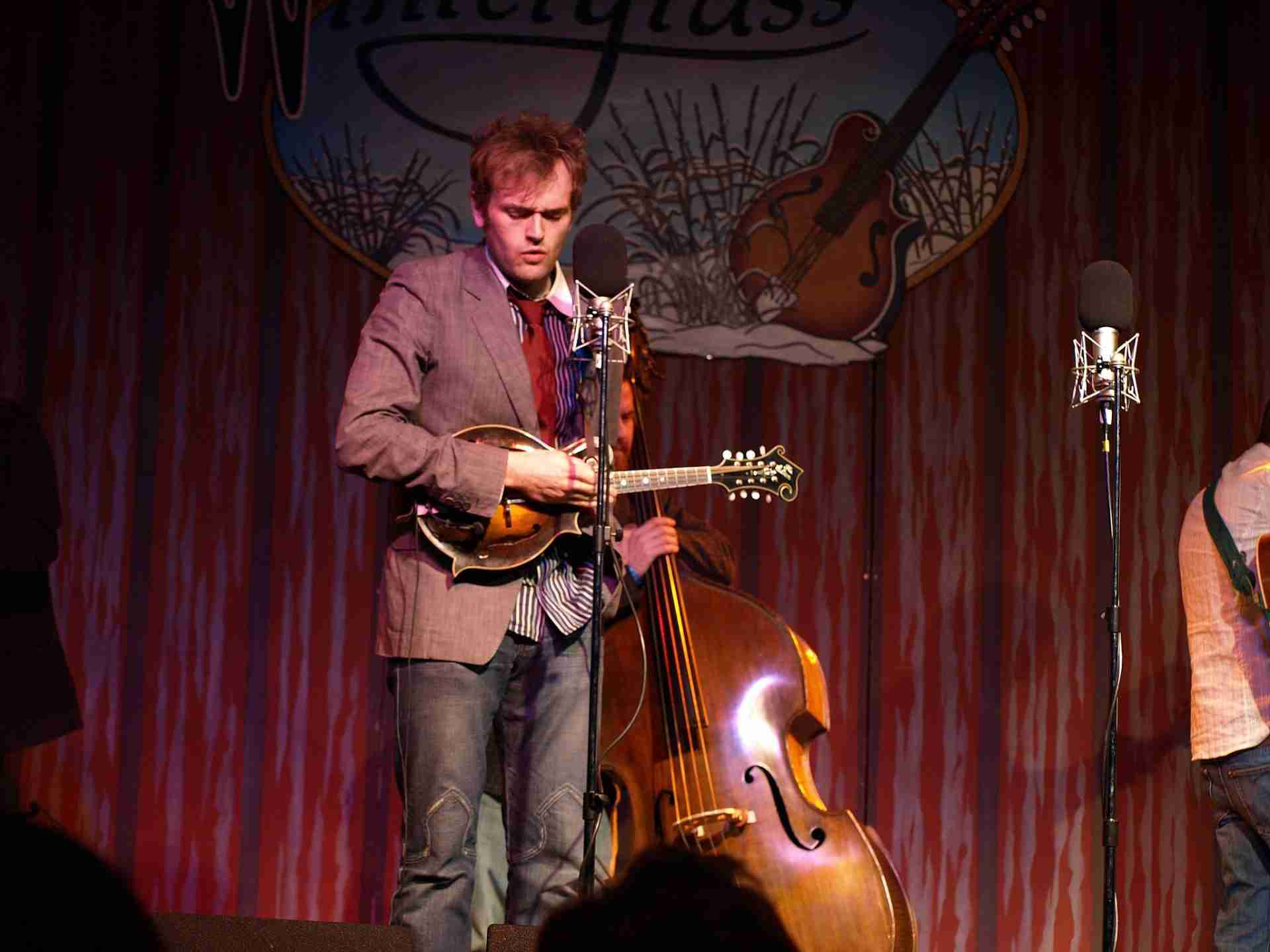
One standout in the world of crossover musicians is Chris Thile. Thile is a skilled mandolin player renowned for his work in classical music, bluegrass, and jazz. Through his efforts with the genre-blurring ensemble Punch Brothers, he introduces intricate melodies and improvisational flair that resonate with jazz enthusiasts. His recent collaborations have also included performances with jazz legends, allowing classical structures to meet the improvisational spirit of jazz.
Another prominent name is Augustin Hadelich, a celebrated violinist known for his exquisite technique and musical expression. Hadelich has tackled jazz influences in several performances, revealing a unique ability to navigate between the meticulous nature of classical pieces and the spontaneous charm of jazz. His collaborations with jazz musicians in NYC have resulted in a fresh take on familiar classical works, captivating audiences and encouraging them to appreciate both genres.
A Jazz Context
The electric cellist Matt Haimovitz is also making a remarkable impact. A passionate advocate for contemporary music, he bridges the gap between classical and jazz by performing works from various styles. Haimovitz’s ability to adapt classical pieces into a jazz context, often incorporating improvisation, is exciting. His performances in intimate NYC venues create an engaging atmosphere that encourages interaction and spontaneity.
Additionally, we can’t overlook the enchantment brought by pianist Simone Dinnerstein. Known for her interpretations of classical repertoire, Dinnerstein has begun to experiment with jazz elements. Her collaborations with jazz artists offer a seamless fusion of styles, enriching her music with rhythmic variations and innovative harmonies previously unseen in her classical works.
| Name | Main Instrument | Notable Collaboration | Style Fusion |
|---|---|---|---|
| Chris Thile | Mandolin | Punch Brothers, Various Jazz Artists | Classical & Jazz |
| Augustin Hadelich | Violin | Jazz Collaborations in NYC | Classical & Jazz |
| Matt Haimovitz | Cello | Various Contemporary Artists | Classical & Jazz Improvisation |
| Simone Dinnerstein | Piano | Jazz Musicians | Classical & Jazz Elements |
Incorporating jazz styles into classical compositions fosters a dialogue between both genres, enriching New York City’s music landscape. Artists like Joshua Bell have also ventured into this territory, performing jazz-infused versions of classic pieces. These crossover explorations bring a fresh breath of creativity, encouraging both classical and jazz fans to explore the sound of the other.
Moreover, New York’s club scene is an ideal platform for these musicians to showcase their innovative sounds. Venues like the Blue Note and The Village Vanguard are known for hosting performances where classical musicians meet jazz ensembles, creating dynamic collaborations that spark excitement and engage audiences.
New Pathways – Classical Musicians Making Waves In NYC’s Jazz Scene
The line between classical and jazz blurs as more artists venture into uncharted territory. The excitement of seeing a classically trained musician embrace jazz improvisation keeps listeners captivated and craving more. Crossover stars have the power to redefine their artistry, creating new pathways for listeners to navigate through the extensive world of music.
As NYC remains a center for musical innovation, the presence of classical musicians in jazz enriches their artistic journeys and enhances the collaborative spirit of the city’s diverse musical community. This trend of amalgamating styles and breaking traditional barriers promises to keep New York’s jazz scene lively and ever-evolving.

The Unique Sound: Blending Classical Elements with Jazz Styles
A captivating trend is emerging in the ever-evolving music scene: blending classical elements with jazz styles. This unique sound is resonating through the vibrant streets of New York City, attracting both classical and jazz enthusiasts. As musicians from various backgrounds come together, they create a fresh and harmonious explosion of genres.
Jazz has always been about improvisation and freedom, while classical music offers structure and discipline. Fusing these styles allows artists to explore new dimensions, captivating diverse audiences. You may wonder how this fusion materializes in real terms. Here are some key components that define this exciting blend:
- Instrumentation: Classical musicians often bring traditional instruments, such as violins, cellos, and flutes, into jazz ensembles. The result is a rich tapestry of sound that adds depth to the jazzy improvisations.
- Rhythmic Exploration: Jazz is known for its swing, syncopation, and polyrhythms. Classical musicians utilize their training to navigate these complex rhythms in ways that can surprise and engage listeners.
- Harmonic Complexity: Classical music is rich in harmonic structures that can elevate jazz compositions. Chord progressions borrowed from classical pieces can be seamlessly integrated into jazz standards, creating something unique.
- Melodic Development: Classical training instills a strong sense of melody. This knowledge allows classical musicians to create intricate, lyrical lines in jazz contexts, enriching the overall sound.
A Musical Conversation
The melding of these elements produces performances that grab the audience’s attention, featuring improvisation while maintaining the elegance of classical music. One of the most notable aspects of this blend is how artists engage with each other on stage. A classical musician might begin with a structured melody, and a jazz musician would respond with a free-form riff, creating a musical conversation that evolves in real time.
In NYC, numerous venues showcase this captivating sound, catering to both ends of the spectrum. You can find events at jazz clubs, where classical musicians occasionally step in, and collaborative concerts designed to present this fusion to audiences. Artists like Jesse Lewis, a guitarist adept in both genres, often lead these collaborations, leaving the audience in awe.
Juilliard School
Moreover, renowned institutions like The Juilliard School are fostering this artistic exploration. Programs encouraging students to experiment with different musical styles provide them with the tools to navigate hybrid sounds. Such initiatives ensure the future of musical exploration remains bright in NYC.
The excitement surrounding this fusion can primarily be attributed to innovative artists unafraid to push the boundaries. Musicians like Yo-Yo Ma and Esperanza Spalding exemplify how classical training can intertwine with jazz improvisation. Through their work, they demonstrate their mastery of their instruments and their unique voices that thrive on collaboration.
Another fascinating aspect of this cross-genre collaboration is the audience’s transformation. Classical traditionalists often find a newfound appreciation for jazz, while jazz lovers discover the beauty within classical frameworks. This shared experience fosters a deeper understanding of music as a whole.
| Artist | Notable Projects | Fusion Style |
|---|---|---|
| Yo-Yo Ma | Silk Road Ensemble | World Fusion Jazz |
| Esperanza Spalding | Emily’s D+Evolution | Jazz with Classical Roots |
| Jesse Lewis | River City Brass | Contemporary Jazz Classics |
As this genre-bending movement gains momentum, it paves the way for emerging artists to follow suit. The unique sound of blending classical and jazz creates an artistic dialogue and cultivates appreciation among listeners. Those who attend these dynamic performances will find that music transcends boundaries, creating a shared connection that resonates long after the final note.
Ultimately, the exploration of blending classical elements with jazz styles represents a powerful partnership between the two genres. This innovative blend invites you to experience music differently and encourages you to engage with art fresh and inspiringly.
Future Trends: The Evolution of Crossover Musicians in NYC’s Music Scene
Crossover musicians are becoming critical players in the vibrant tapestry of New York City’s music scene, blending genres and breaking traditional boundaries. These artists draw from classical training and infuse it with the improvisational and rhythmic elements of jazz, blues, rock, and beyond. This fusion is changing the musical landscape and reshaping audience expectations and experiences.
As these crossover stars grow in number, their influence can be seen across various venues, from jazz clubs in Greenwich Village to grand concert halls. The shift can be attributed to multiple factors, including the rise of social media, diverse audience demographics, and cultural appreciation for genre-bending performances.

Social Media: A Boost for Emerging Talent
Social media platforms have revolutionized how artists share music and connect with fans. Platforms like Instagram, TikTok, and YouTube allow crossover musicians to showcase their unique styles directly to a global audience. Many musicians use these tools to create engaging content that highlights their versatility. Here are a few ways social media acts as a launchpad:
- Visibility: Artists can reach broader audiences, attracting fans who appreciate diverse musical experiences.
- Interaction: Fans can engage with musicians directly, creating a community around their work.
- Experimentation: Musicians experiment with short clips, allowing them to test new sounds without the pressure of an entire album.
The Rise of Genre-Blending Events
New York City is a melting pot of cultures and sounds, encouraging creators to experiment. Platforms like NYC Jazz Fest and various collaborative performances have emerged, showcasing artists who draw from classical traditions while exploring other genres. These events help to dismantle the barriers traditionally separating musical styles. Some famous examples include:
| Event Name | Description | Typical Artists |
|---|---|---|
| Jazz in the Parks | Outdoor concerts featuring jazz musicians. | Classical musicians who also play jazz. |
| Classic Meets Jazz | Collaborative performances blending classical and jazz. | Cross-genre artists, orchestras. |
| New York Classical Players | Classical ensemble exploring improvisational jazz techniques. | Musicians with backgrounds in both genres. |
Diverse Audience Demographics
As the diverse population of New York continues to evolve, the audience’s taste in music is shifting, too. Younger generations are moving away from the traditional confines of genre labels. Instead, they seek artists who represent an eclectic mix of sounds. You might find a classical musician transitioning into jazz appealing to many listeners—people who appreciate Vivaldi’s emotional depth and a jazz solo’s improvisational flair.
Moreover, events that celebrate diversity in music—like world music nights—often highlight the talents of these crossover stars. As they perform alongside musicians from varied backgrounds, the lines between genres further blur, creating a fresh, inclusive soundscape.
Collaborative Projects and Record Labels – Classical Musicians Making Waves In NYC’s Jazz Scene
Many crossover musicians are now forming collaborations that push the boundaries even further. Partnerships can lead to album releases that mix classical orchestrations with jazz improvisations. These projects receive significant attention and often feature guest appearances from renowned artists across genres. Record labels are taking notice, with an increasing number emphasizing hybrid genres. This trend allows musicians to deviate from the conventional pathways dictated by traditional labels.
Platforms like Bandcamp and SoundCloud allow indie artists to distribute their music without gatekeepers, encouraging innovation. Whether through electronic remixes of classical pieces or jazz-infused arrangements of pop songs, the potential for crossover creativity is limitless.
Watch for these crossover musicians as you explore NYC’s thriving music scene. They are not just redefining genres but challenging how you experience music. With unique performances, engaging content, and a commitment to breaking down barriers, they are vital players shaping the future of music in the city and beyond. Whether you are a devoted classical music fan or a jazz enthusiast, the evolution of crossover musicians will offer you something new and exciting to embrace.
Key Takeaway:
Key Takeaway: The Dynamic Fusion of Classical and Jazz in NYC’s Music Scene
The intersection of classical and jazz music is becoming increasingly vibrant, particularly in New York City, where crossover stars are reshaping the musical landscape. These talented artists bring their classical training into the improvisational world of jazz, creating a unique sound that captivates audiences. The transition from classical to jazz isn’t just a career shift; it represents a nuanced blending of musical philosophies and techniques that enrich both genres and broaden their appeal.
One of the most compelling facets of these crossover musicians is their ability to harness the discipline and precision learned through classical training and apply it to the improvisational nature of jazz. The structured environment of classical music equips these artists with a robust understanding of music theory and composition, which enhances their capability to improvise spontaneously within jazz frameworks. This foundation allows them to explore new possibilities and take creative risks, pushing the boundaries of what music can express.
Tessa Lark
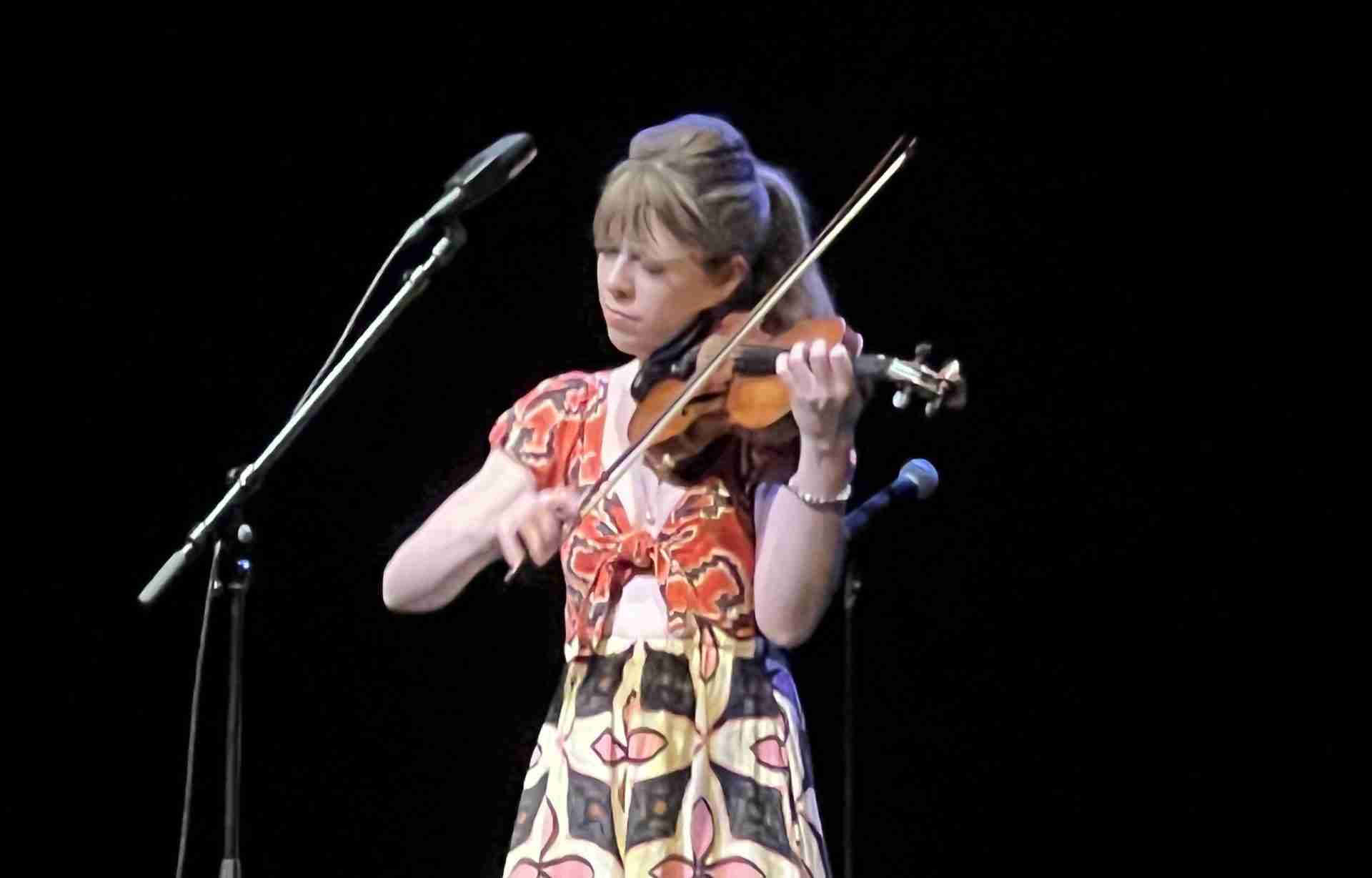
Notable figures in NYC’s jazz scene, who hail from classical backgrounds, exemplify this trend. Musicians like violinist Tessa Lark and pianist Aaron Diehl have made significant strides in merging the two styles, often performing compositions that incorporate elements from both classical and jazz traditions. Their participation in the scene brings deeper textures and a fresh dynamic to jazz performances, appealing not only to jazz aficionados but also to classical music lovers.
As these crossover stars continue to flourish, they inspire a new generation of musicians to explore multi-genre collaborations. The future looks promising for the evolution of crossover artists in NYC, with an emerging trend towards more experimental and interdisciplinary approaches to music-making. This enrichment of the city’s music scene not only offers new listening experiences for audiences but also strengthens the cultural tapestry that defines New York as a global leader in music innovation.
The rise of crossover stars highlights the beauty of musical diversity. By blending classical elements with jazz styles, these musicians are not only creating new sounds but also fostering a greater appreciation for the interconnectedness of different genres. As they continue to challenge norms and innovate, the NYC music scene stands as a testament to the limitless potential for artistic collaboration and creativity.
Classical Musicians Making Waves In NYC’s Jazz Scene
Conclusion
The dynamic relationship between classical music and jazz is continuously evolving, especially in the vibrant atmosphere of New York City. As crossover stars emerge, classical musicians are transitioning into the jazz scene and reshaping its
fabric. Their rigorous classical training enhances their improvisational skills, allowing them to approach jazz with a unique perspective that blends precision with creativity. This fusion results in a sound that captivates audiences and expands the boundaries of both genres.
Diverse Music Landscape
Notable figures like Emanuel Ax and Joshua Bell have embraced this cross-pollination, bringing their classical backgrounds into intimate jazz venues where their artistry flourishes. These artists create a distinctive auditory experience that resonates with classical lovers and jazz enthusiasts by integrating classical elements into modern jazz styles. Their contributions highlight the versatility and adaptability of musicians in today’s diverse music landscape.
Looking ahead, it’s clear that the trend of crossover musicians in NYC is poised for growth. As more classical artists experiment with jazz, we can expect to witness further innovations that challenge traditional genre definitions. This synergy broadens the musical horizons for composers and performers and enriches the city’s cultural tapestry. As jazz and classical intertwine, listeners can look forward to an exciting future filled with rich collaborations, creative exploration, and fresh sounds that unexpectedly unify these two beloved genres.
Readers may also enjoy our reviews of Kenny Barron at Smoke Jazz Club, David Burke Tavern, Gabrielle Stravelli & the Brian Newman Band at the Midnight Theatre, Laura and Linda Benanti: Mothers Know Best at 54 Below, John Pizzarelli and the Swing 7 at Birdland, Adam Pascal and Anthony Rapp: Celebrating Friendship and History, and Yachtly Crew.