
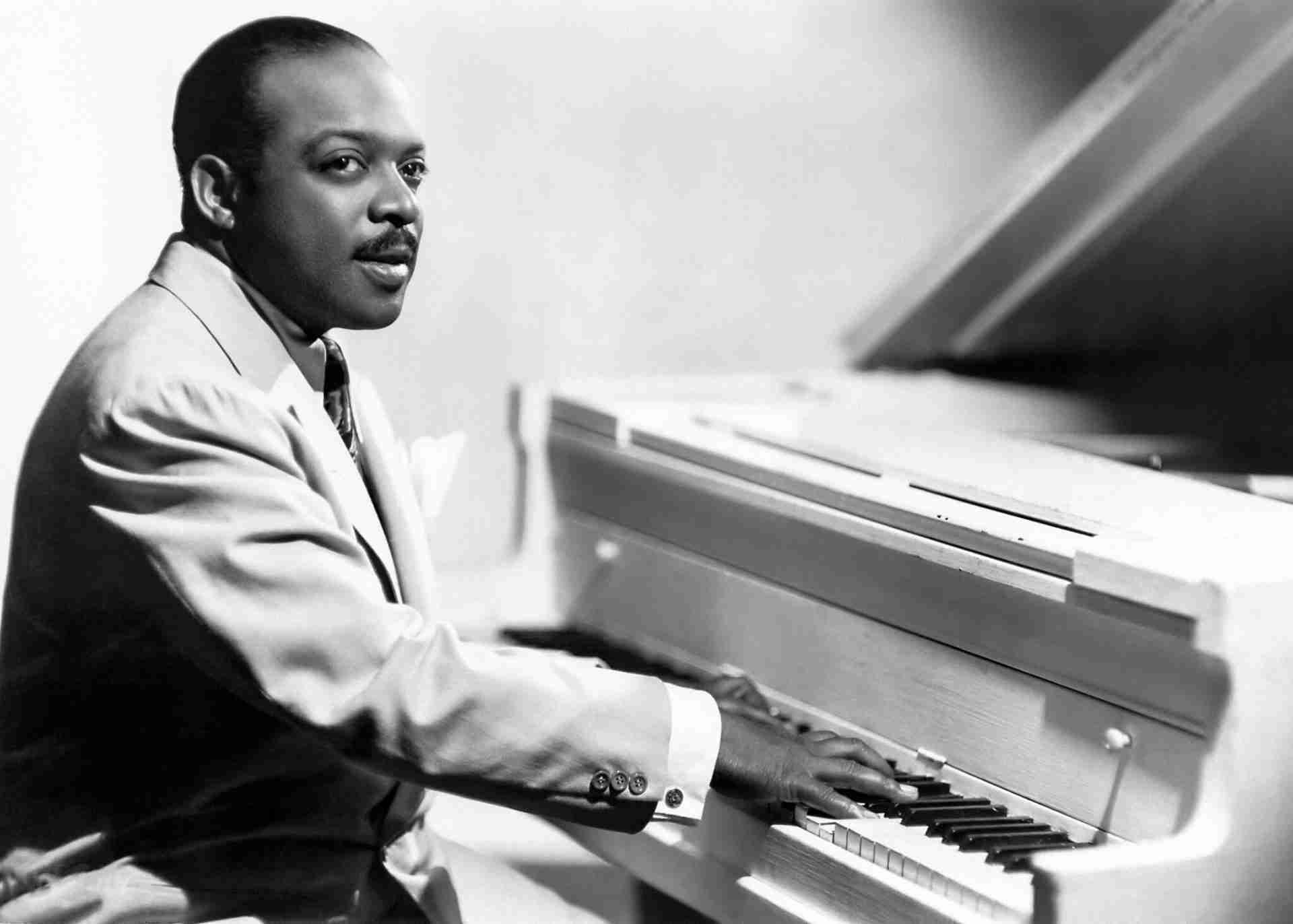

The Legacy of Count Basie in Jazz
Count Basie is one of jazz’s most influential figures. His groundbreaking style, marked by rhythmic innovation and a unique approach to orchestration, has forever shaped the genre. Basie’s influence echoes through jazz history, from classic big band compositions to modern ensembles inspired by his legacy. Let’s explore the lasting impact of this jazz legend while celebrating his contributions to rhythm, composition, and orchestration.
Count Basie’s Musical Innovations
During the 1930s and 1940s, Count Basie introduced musical techniques that redefined jazz, leaving a lasting mark on generations of musicians. His knack for syncopation and rhythm set his orchestra apart, creating an understated and powerful sound. Here are some highlights of his innovative style:
- Economical Pianism: Known for his minimalist approach, Basie focused on precise timing rather than ornate flourishes. His light touch allowed the rhythm section to breathe, amplifying the music’s emotional depth.
- Lay-Offs: Basie’s orchestration often used intentional pauses, or “lay-offs,” to create an ebb and flow. Consequently, these silences built tension and added drama, which kept audiences on the edge of their seats.
- Call-and-Response Patterns: Drawing from African American musical traditions, Basie infused his performances with engaging call-and-response exchanges between band sections. This gave his music a lively and conversational quality.
Through these techniques, Basie crafted a sound that was uniquely his own—one that remains vibrant in jazz today. His rhythm-driven approach and composition style continue to inspire countless musicians and enrich jazz’s global legacy.
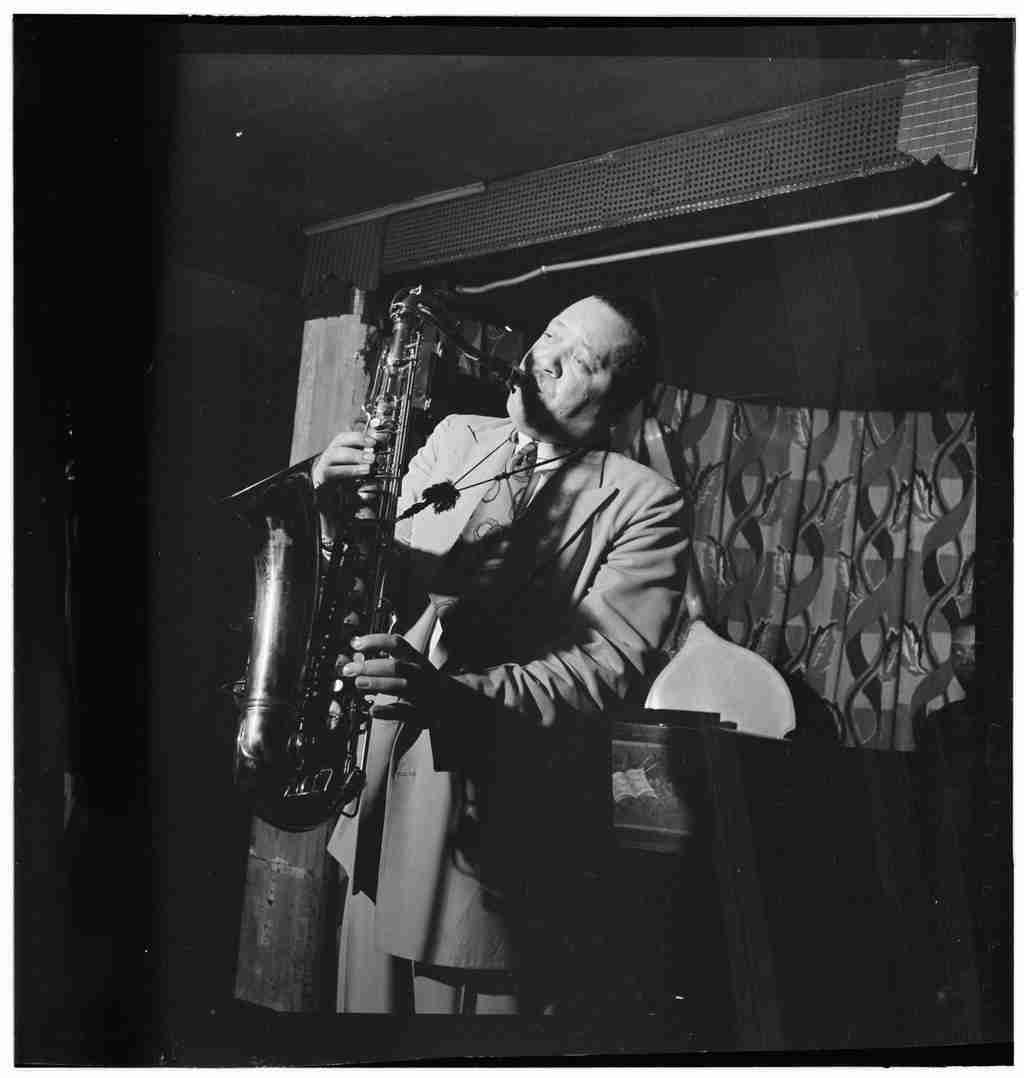
Count Basie’s Most Revered Songs
Count Basie’s music is celebrated not only for its style but also for its substance. Here are some of his most revered songs that continue to captivate audiences:
- “One O’Clock Jump“: This classic tune became Basie’s signature piece. Its infectious rhythm and upbeat tempo made it an anthem of the swing era, showcasing Basie’s knack for creating danceable yet sophisticated jazz.
- “April in Paris“: Known for its rich orchestration and vibrant brass sections, this song brought Basie immense acclaim. Its iconic “One more time!” coda is one of the most recognizable moments in jazz history.
- “Jumpin’ at the Woodside“: This fast-paced, energetic track exemplifies Basie’s ability to capture excitement and movement. It’s a testament to his skill in orchestrating rhythmic, high-energy performances that kept audiences captivated.
- “Shiny Stockings“: This soulful, lyrical tune, composed by Basie’s saxophonist Frank Foster, became a Basie Orchestra staple. Its smooth melody and lush arrangements made it a favorite among jazz aficionados, cementing its place in the jazz canon.
- “Every Tub“: A lesser-known but equally powerful Basie composition, “Every Tub” is a hard-swinging piece that highlights the interplay between brass and reeds. It features solos that showcase the talent of Basie’s band members.
- “Li’l Darlin’“: This slow, bluesy number written by Neal Hefti remains one of Basie’s most beloved songs. Its laid-back groove and sophisticated harmonies display Basie’s ability to make a profound emotional impact with subtlety and grace.
Together, these songs reflect Basie’s mastery of rhythm, orchestration, and emotional expression. Each piece has become a cornerstone of jazz music, inspiring listeners and musicians alike.

The Count Basie Orchestra
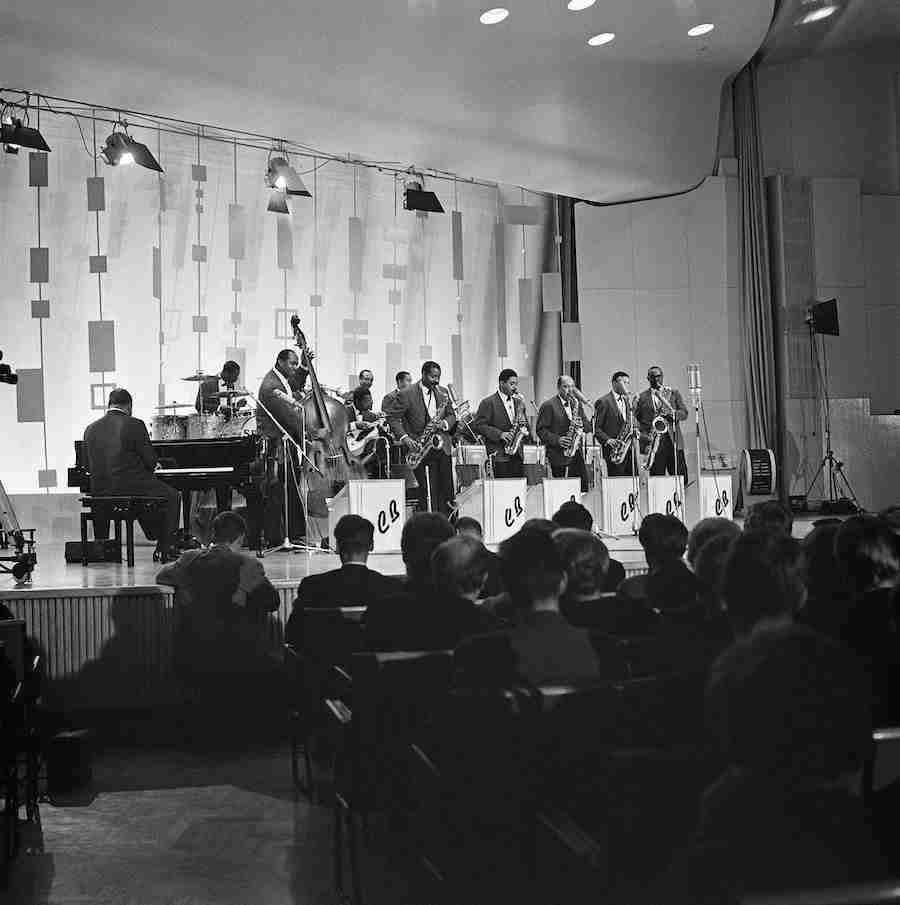
One of the most enduring elements of Basie’s legacy is the Count Basie Orchestra, founded in the 1930s and a defining force in jazz ever since. Embodying the Kansas City jazz sound, the orchestra combined rhythmic swing with sophisticated melodies, attracting remarkable talents to its lineup. Key elements of the orchestra include:
- Noteworthy Arrangements: With arrangers like Neal Hefti and Franz Jackson, the orchestra produced iconic arrangements that have become jazz standards.
- Famous Alumni: The orchestra became a launching pad for many jazz greats, including Joe Williams and Lester Young, who helped shape the band’s distinctive sound.
- Swing Era Icon: As a staple of the swing era, the Count Basie Orchestra brought big band music into the American cultural mainstream, influencing generations of listeners and musicians alike.
Today, the Count Basie Orchestra continues to tour and perform, honoring Basie’s legacy by bringing his music to worldwide audiences. Seeing this band live connects audiences to jazz history, directly linking to the golden age of jazz.
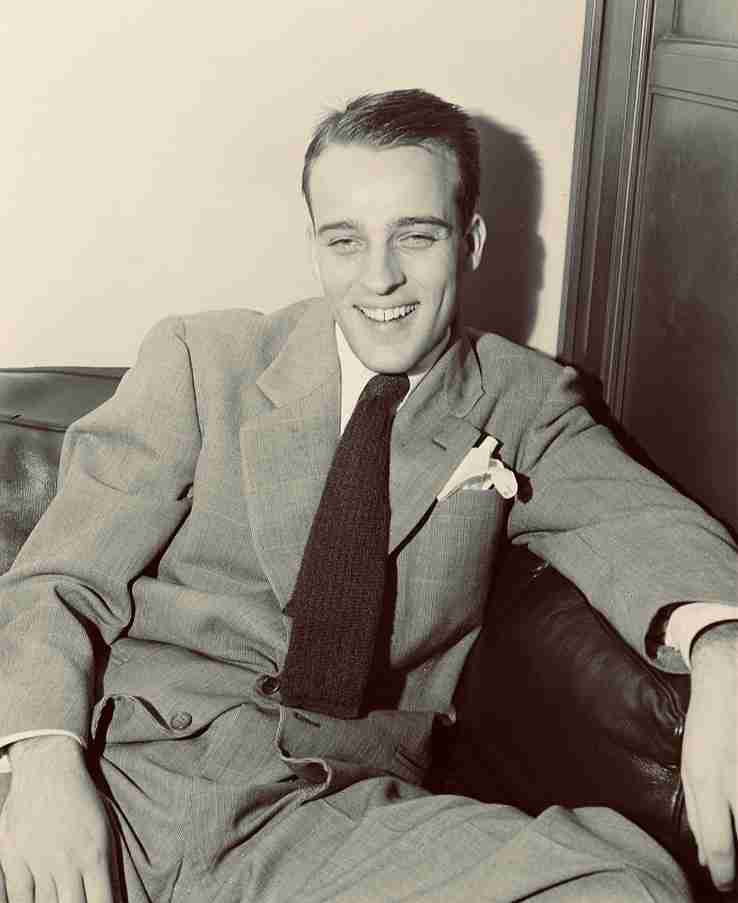
s Who Became Jazz Legends
Several musicians who played with Count Basie went on to become legends in their own right, adding to the richness of jazz history:
- Lester Young: Known for his smooth, lyrical style, he was a trailblazing tenor saxophonist. His light, melodic approach became hugely influential, especially within the cool jazz movement, inspiring musicians like Stan Getz and John Coltrane.
- Joe Williams: Williams’ powerful, baritone voice helped define the Basie sound in the 1950s. Known for his interpretation of blues and jazz standards, he later found solo success and became a beloved figure in jazz vocals.
- Frank Foster: Saxophonist and arranger, Foster contributed many compositions to Basie’s band, including “Shiny Stockings.” His innovative arrangements helped Basie’s orchestra remain contemporary and influential through the decades.
- Buck Clayton: A renowned trumpeter, Clayton’s warm tone and inventive solos were central to Basie’s early sound. He later led his bands and collaborated with other jazz greats, leaving a lasting mark on swing and mainstream jazz.
- Harry “Sweets” Edison: Edison’s trumpet style, known for its smooth, melodic phrasing, became a Basie band hallmark. Later, he performed with Ella Fitzgerald and Frank Sinatra, becoming a leading figure in the jazz trumpet tradition.
- Freddie Green: Known as the “heartbeat of the Basie band,” Green’s rhythm guitar provided the steady, swinging pulse that defined Basie’s sound. His subtle, supportive style set the standard for jazz guitarists in big bands.
Each of these musicians brought unique styles and innovations to jazz, shaping the genre’s evolution. Many led successful careers, leaving a permanent mark on jazz history.
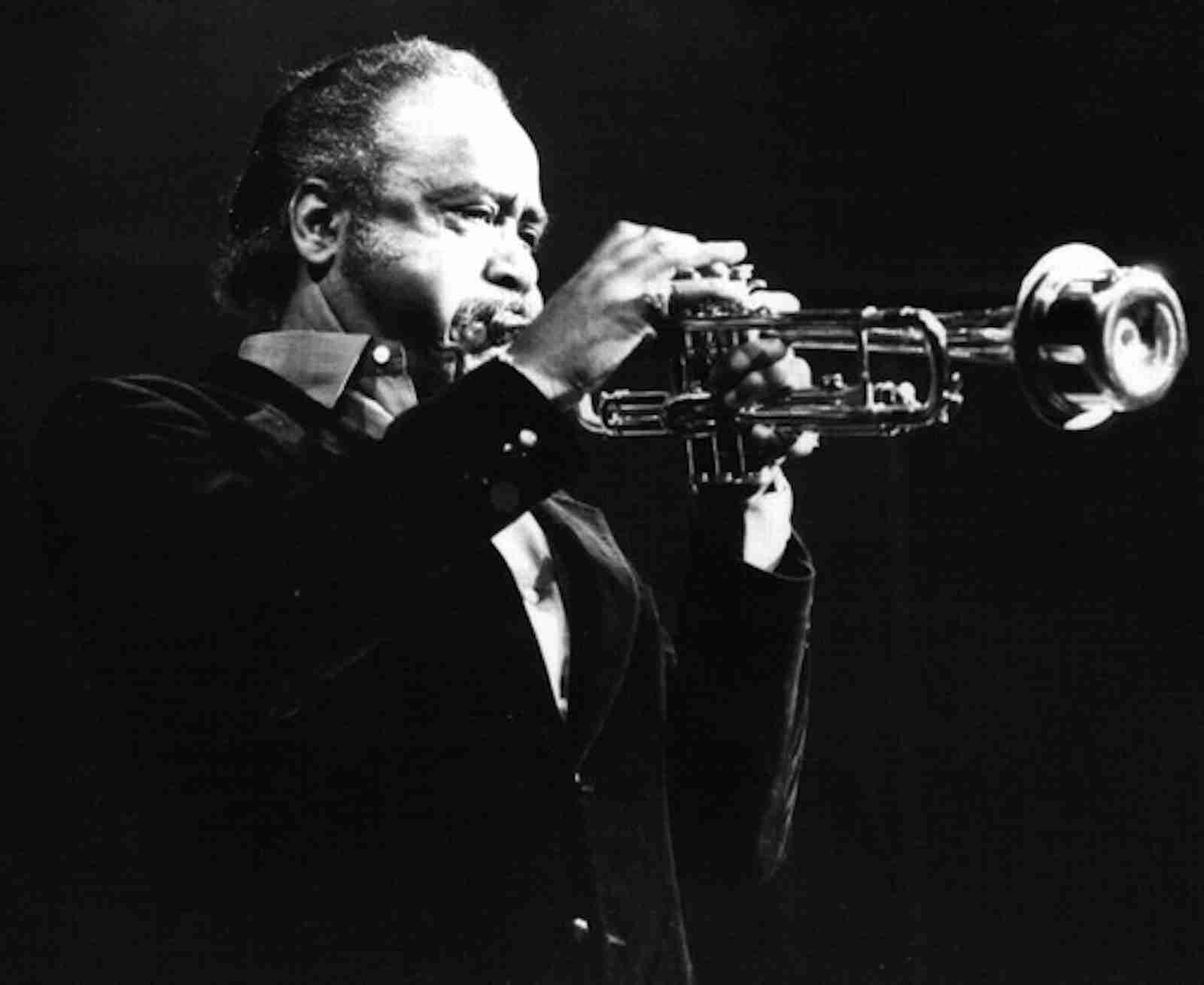
Notable New York City Venues Where Basie Performed
Count Basie performed at some of the most iconic jazz venues in New York City, which left an indelible mark on the city’s vibrant jazz scene:
- Birdland Jazz Club: Often called the “Jazz Corner of the World,” Birdland hosted Count Basie and countless other jazz greats. This legendary club remains a beloved venue for jazz enthusiasts.
- The Savoy Ballroom: Located in Harlem, the Savoy Ballroom was a famed swing dance venue where Basie’s music set the stage for high-energy nights of jazz and dance. It was here that swing dancing evolved alongside the music.
- The Apollo Theater: Another Harlem icon, the Apollo hosted Basie and many legendary musicians. Known for its vibrant energy and historical importance, the Apollo became a key venue for Basie’s band, who brought the house down with every performance.
- Carnegie Hall: Basie’s performances at Carnegie Hall signified jazz’s acceptance as an art form. These shows were milestones in bringing jazz from clubs to the concert stage, paving the way for jazz to gain mainstream respect.
Performing at these venues helped Basie reach broader audiences and solidify his legacy.
Influence Beyond Jazz
Count Basie’s influence goes far beyond jazz alone. His unique rhythm and compositional techniques have resonated across genres, influencing popular music, film scores, and jazz education. Here are some ways his impact is felt outside the traditional jazz world:
- Popular Music: Artists like Elton John and Stevie Wonder have drawn on Basie’s style, crediting him as an inspiration in their music.
- Film Soundtracks: Count Basie’s music has appeared in numerous films, adding timeless jazz flair to the cinematic experience.
- Jazz Education: Basie’s techniques continue to be a cornerstone of jazz studies, inspiring young musicians in music schools worldwide.
Through these channels, Basie’s artistry lives on, affecting musicians and listeners across generations and genres. His legacy exists in his recordings and the countless artists he has inspired to carry forward the jazz tradition.
Preserving Count Basie’s Legacy
Reflecting on Count Basie’s legacy reminds us of the importance of celebrating and preserving his contributions to jazz. Here are some ways to engage with Basie’s music and honor his influence:
- Listening Tours: Dive into Basie’s discography, exploring classic albums and lesser-known gems to appreciate the depth of his style.
- Watch Live Performances: Many of Basie’s live performances are available online, capturing the charm and energy that made his concerts legendary.
- Attend Jazz Festivals: Jazz festivals frequently feature tributes to Count Basie, keeping his music alive through modern-day performances.
Whether you’re a seasoned jazz enthusiast or just discovering this rich genre, Basie’s music invites you to experience the spirit of jazz in its purest form. His work is a testament to jazz’s power to connect, move, and inspire.
Final Words
Count Basie’s legacy is woven deeply into the fabric of jazz, and his influence is felt across generations and genres. With each beat, Basie transformed jazz into an experience that resonates in music halls, classrooms, and festivals worldwide. His innovation in rhythm, composition, and band leadership remains a benchmark. As jazz continues to evolve, the spirit of Count Basie endures as a cornerstone of this beloved art form. For those exploring jazz, Basie’s work is an invitation to connect with the heart and soul of the genre—a legacy that inspires new listeners and musicians to this day.
If you enjoyed this article, check out other posts in our jazz series, such as Moving to NYC for Jazz and Music Skills, Exploring Latin Music’s Vibrant Scene in NYC, and Tim Berne’s Impact on D.I.Y. Jazz Culture.