

NEW YORK – The Muse Behind the Melody: Johannes Brahms and His Violin Concerto in D Major
In the heart of Vienna, where music flowed through the streets like lifeblood, a monumental creation was taking shape in the mind of one of its greatest composers, Johannes Brahms. We begin by listening to the sublime second movement, which opens with a marvelous melody introduced by the oboe. On an aside, it’s said that upon hearing the oboe perform the opening of the movement, the great Joachim expressed his displeasure that such a melody was not first performed by him on the violin.
The year was 1878, and Brahms was crafting a work that would become one of the cornerstones of the violin repertoire: the Violin Concerto in D Major.
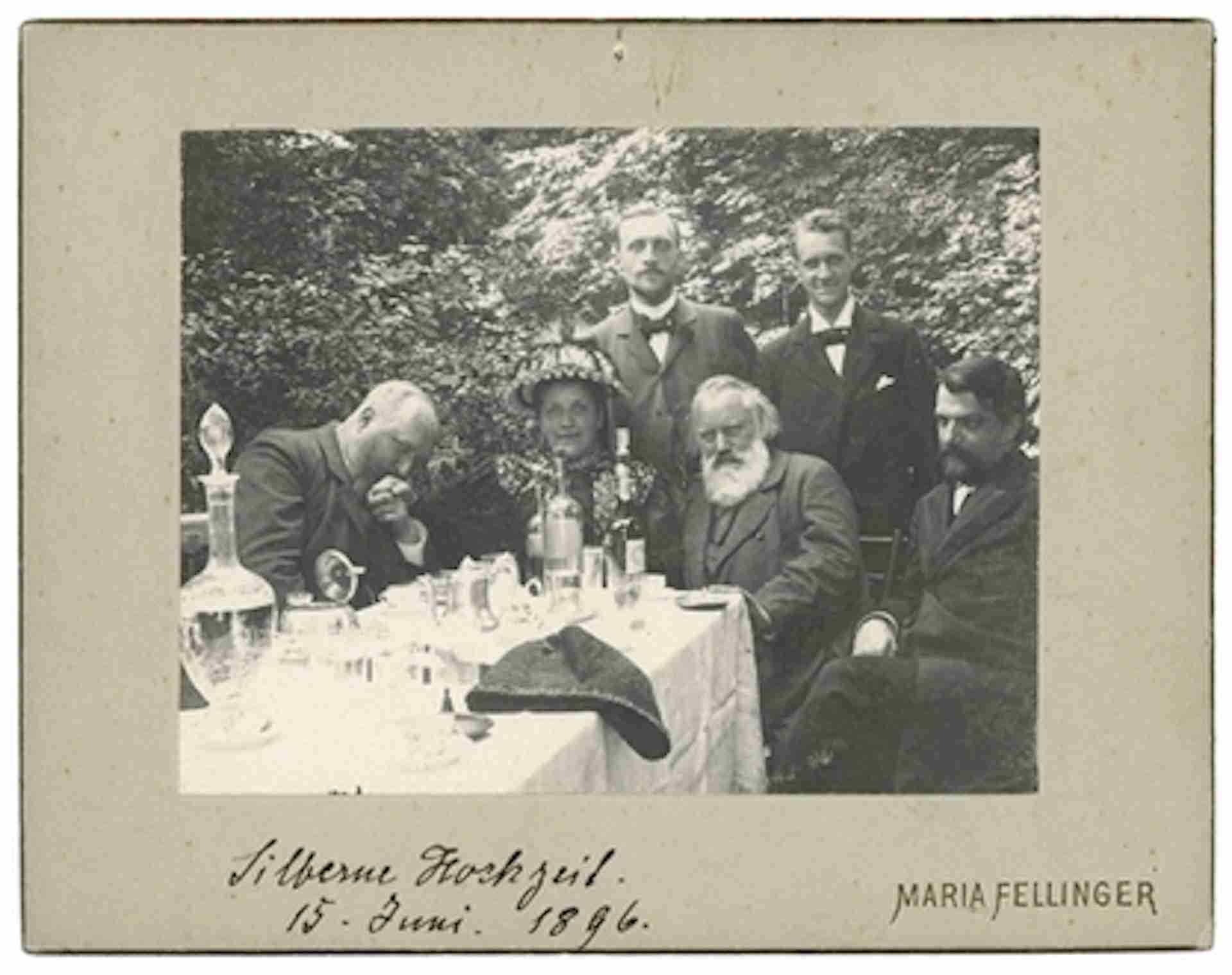
 Brahms had always been deeply connected to his surroundings and those who inspired him. His close relationships with musicians and composers influenced his work profoundly, and his Violin Concerto was no exception. As he labored over the concerto, three key figures emerged as his muses: his dear friend and violin virtuoso Joseph Joachim, the legendary composer Ludwig van Beethoven, and his lifelong confidante and fellow composer, Clara Schumann.
The Virtuoso: Joseph Joachim
Joseph Joachim was more than just a friend to Brahms; he was a collaborator and a source of profound musical insight. Born in Hungary, Joachim had established himself as one of the leading violinists of the time. His interpretations of Beethoven and Bach were revered, and his technical prowess was unmatched.
Brahms and Joachim’s friendship began in 1853 when Brahms was a relatively unknown composer. Joachim, already a celebrated violinist, recognized Brahms’ genius and introduced him to influential figures, including Robert and Clara Schumann. This friendship blossomed over the years, grounded in mutual respect and a shared dedication to music.
Here’s the first movement, Allegro non troppo:
As Brahms conceived his Violin Concerto, he turned to Joachim for guidance. He envisioned the concerto as a showcase of technical skill and a profound musical dialogue. In the summer of 1878, Brahms invited Joachim to his summer retreat in Pörtschach, a serene village on the shores of Lake Wörth, where the beauty of the landscape infused Brahms with creative energy.
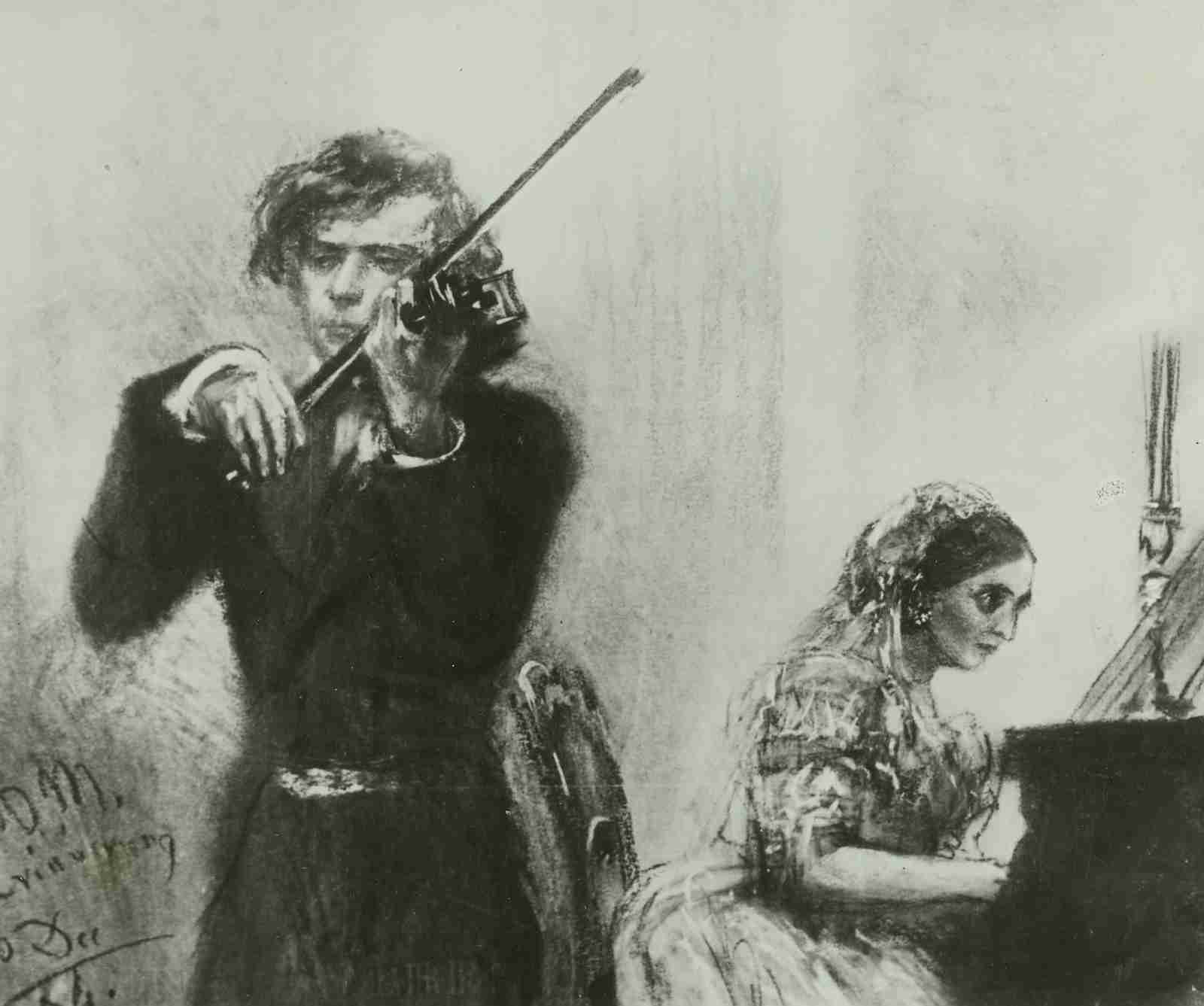
“Joseph, your expertise is indispensable to me,” Brahms confessed during their long walks by the lake. “This concerto must be worthy of your talent.”
Joachim, ever the humble musician, responded, “Johannes, your music is already a gift. I’m honored to be a part of this creation.”
Brahms worked tirelessly, composing and revising, while Joachim provided feedback, testing passages on his violin. Their collaboration was intense and deeply personal, with Joachim’s virtuosity pushing Brahms to new heights of composition.
The Titan: Ludwig van Beethoven
Looming large in Brahms’ life was the shadow of Ludwig van Beethoven. Beethoven’s Violin Concerto in D Major, composed in 1806, was a masterpiece that set a high bar for all subsequent violin concertos. Brahms admired Beethoven immensely, considering him the pinnacle of musical achievement. The challenge of writing a concerto that could stand alongside Beethoven’s was daunting, yet it fueled Brahms’ ambition.

Brahms spent countless hours studying Beethoven’s concerto, absorbing its structure, themes, and the profound dialogue between soloist and orchestra. He was determined to create a work that honored Beethoven’s legacy while expressing his unique voice.
Beethoven’s Violin Concerto:
One evening, in the quiet solitude of his study, Brahms sat before his piano, the dim light casting shadows on the manuscript paper. Beethoven’s score lay open beside him, a silent mentor.
The third movement, Allegro giocoso, ma non troppo vivace:
“How do I honor you, yet be myself?” Brahms mused aloud, his fingers tracing the notes on the page.
The answer came not from imitation but from inspiration. Brahms’ Violin Concerto would embrace the classical traditions Beethoven exemplified, yet it would be infused with the romantic spirit and complexity that defined Brahms’ music. The work would bridge past and present, a conversation across time.
The Confidante: Clara Schumann
No account of Brahms’ inspirations would be complete without Clara Schumann, the renowned pianist, composer, and wife of Brahms’ late friend and mentor, Robert Schumann. Clara’s influence on Brahms was profound, encompassing his personal and professional life.
Their relationship was one of deep affection and mutual respect. Clara’s insights into music were invaluable to Brahms, and her emotional support helped him through many difficult times. During the composition of the Violin Concerto, Brahms often corresponded with Clara, sharing his progress and seeking her opinion.
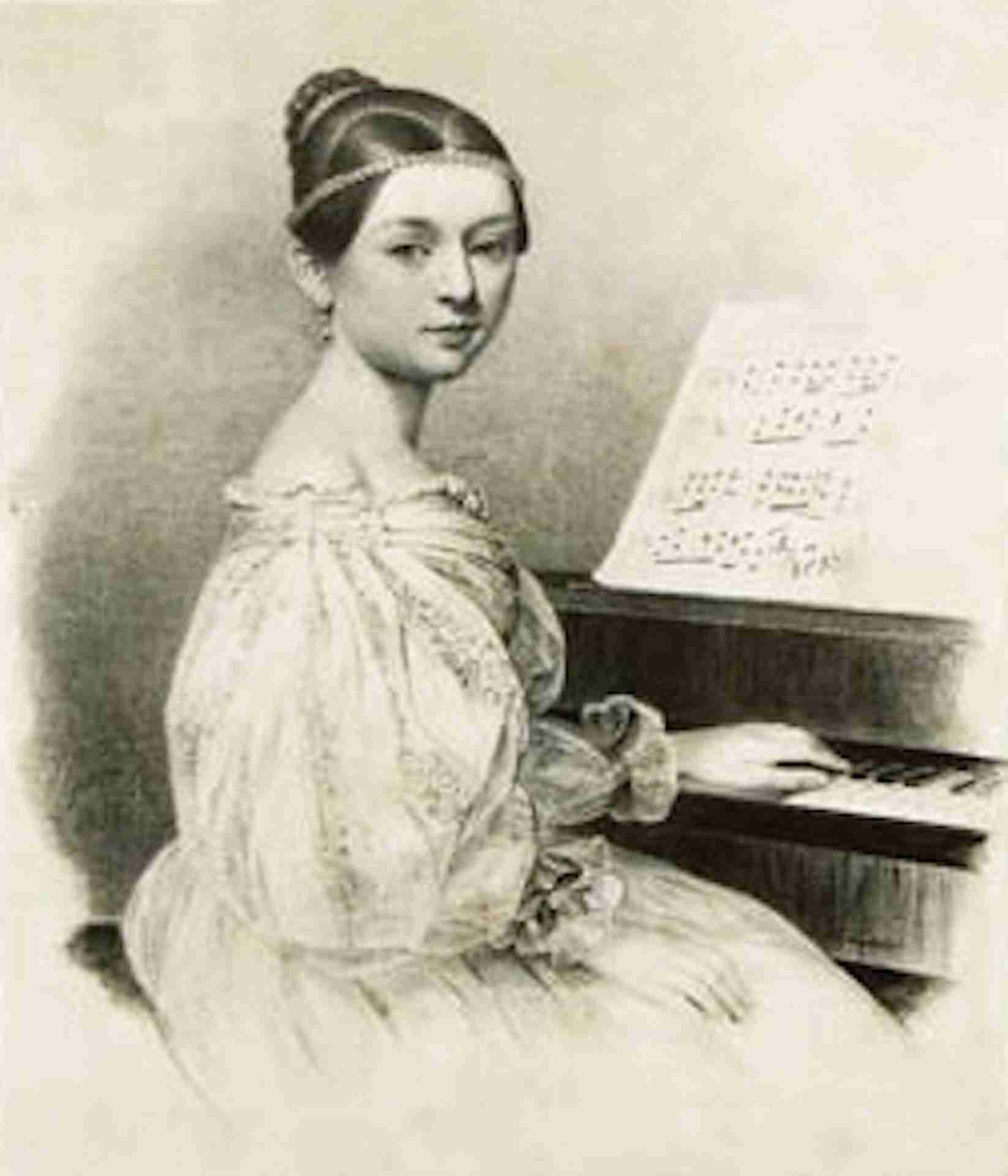
In one letter, Brahms wrote: “Dearest Clara, I find myself at a crossroads with this concerto. Your thoughts would be a beacon to guide me.”
Clara Schuman’s Piano Concerto in A minor, Op. 7, written at age 16:
Clara’s response was both encouraging and insightful. She praised the beauty and depth of his themes and offered suggestions that helped Brahms refine the structure and emotional arc of the concerto. Her belief in his genius gave Brahms the confidence to complete the work.
The Creation of a Masterpiece
With Joachim’s support, Beethoven’s inspiration, and Clara’s guidance, Brahms poured his soul into the Violin Concerto in D Major. The process was arduous, filled with moments of doubt and frustration but also with flashes of brilliance and joy.
The first movement, Allegro non troppo, emerged as a robust dialogue between the soloist and orchestra, its themes rich and expansive. Brahms infused the music with Hungarian rhythms and melodies, a nod to Joachim’s heritage, and crafted passages that showcased the violin’s lyrical and virtuosic capabilities.
The second movement, Adagio, was a lyrical outpouring of emotion, its serene and tender melodies providing a moment of introspection. Brahms’ deep connection to Clara is palpable in this movement, the music conveying a sense of intimate conversation and profound understanding.
The final movement, Capriccio:
The final movement was a joyful and spirited conclusion. Its folk-like themes and energetic rhythms celebrated the violin’s virtuosity and vitality. Brahms’ homage to Beethoven is clear, yet the movement is distinctly Brahmsian in its complexity and richness.
The Premiere
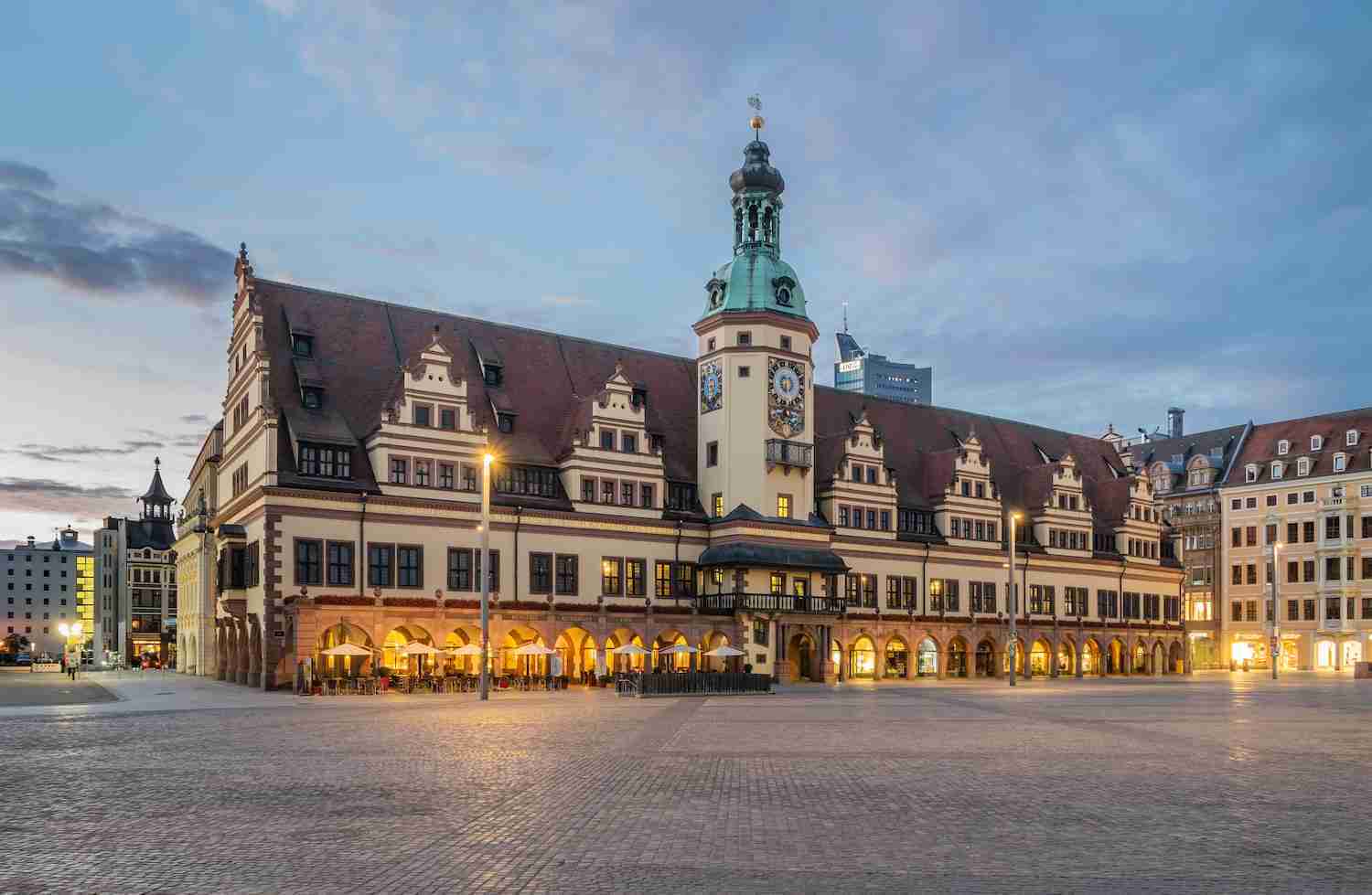
The Violin Concerto premiered on January 1, 1879, in Leipzig, with Joseph Joachim as the soloist and Brahms himself conducting. The anticipation was high, and the audience filled the hall with a palpable sense of excitement.
Joachim’s performance was nothing short of extraordinary. His technical mastery and emotional depth brought Brahms’ music to life, captivating the audience from the first note to the last. As the final chord resonated through the hall, there was a moment of stunned silence, followed by thunderous applause.
Standing at the conductor’s podium, Brahms felt a wave of relief and pride wash over him. He glanced at Joachim, whose eyes shone triumphantly, and then to Clara, seated in the audience, her smile a testament to her unwavering belief in him.
The Violin Concerto in D Major was hailed as a masterpiece that honored the great traditions of the past while boldly forging a new path. Critics and audiences alike praised its depth, complexity, and beauty, recognizing it as one of Brahms’ finest achievements.
Legacy and Reflection
In the years that followed, Brahms’ Violin Concerto became a cornerstone of the violin repertoire, performed by generations of violinists who marveled at its challenges and its rewards. Joachim continued to champion the work, performing it across Europe and helping to secure its place in the pantheon of great concertos.
For Brahms, the concerto represented more than just a musical accomplishment; it was a testament to the power of friendship, inspiration, and perseverance. The collaboration with Joachim, the reverence for Beethoven, and the unwavering support of Clara had all converged to create something truly remarkable.
In his later years, Brahms often reflected on the journey that led to the creation of the Violin Concerto. He remained grateful for the muses who had inspired him, their influence a constant reminder of the interconnectedness of art and life.
One evening, as Brahms walked through the streets of Vienna, he heard the distant strains of his concerto at a nearby concert hall. He paused, a smile playing on his lips, and listened as the music filled the air, a testament to the enduring power of inspiration and the timeless beauty of his creation.
The Muse Behind the Melody: Johannes Brahms and His Violin Concerto in D Major
The Violin Concerto in D Major is a lasting tribute to Johannes Brahms’s genius and the extraordinary individuals who inspired him. Through their collective influence, a masterpiece was born that continues to resonate with audiences and musicians alike, a beacon of artistic brilliance shining through the ages.
Readers may also enjoy more of our Music Appreciation series with Gesamtkunstwerk: Uniting Art Forms into a Total Work of Art, Timbre in Music, Melisma In Music, Rhythm in Music, Melody in Music, El Niño: Nativity Reconsidered, and The Counter Reformation.